

Are Single Row Ball Slewing Bearings Suitable for Wind Turbines?
Single row ball slewing bearings work great in wind turbines, Single Row Ball Slewing Bearing especially when the rotation needs to be flexible and the load needs to be low. These single-row ball slewing bearing units have two rows of steel balls of different sizes that are placed in a way that makes them good at handling axial forces and upsetting moments. Their bearing capacity is smaller than that of triple-row cylindrical roller slewing bearings, but they can rotate in a lot of different ways, which makes them perfect for wind turbine systems that need to run often but with low loads. Their small size and reliable performance make them perfect for the needs of current wind energy infrastructure.
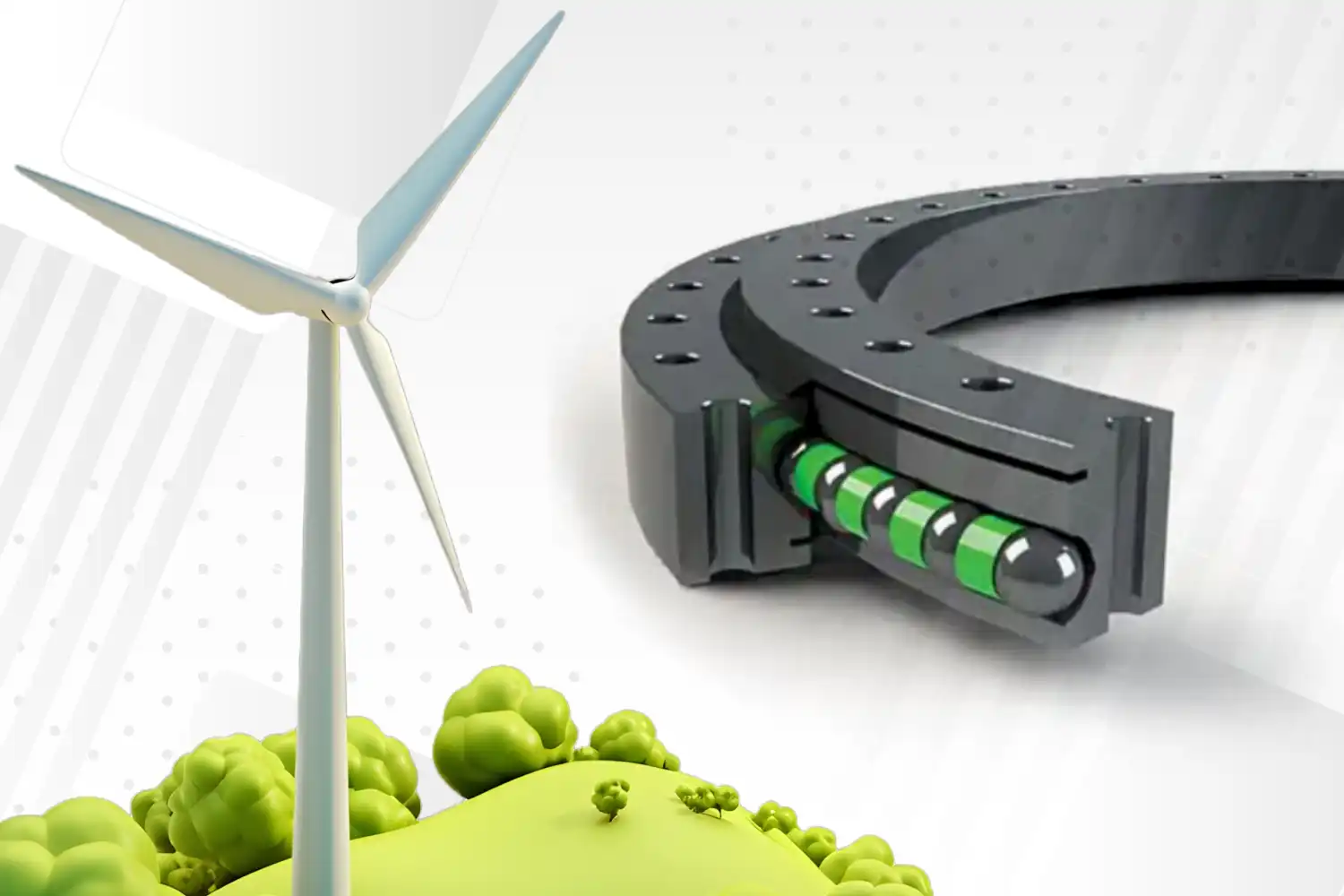
Understanding Single Row Ball Slewing Bearings in Wind Turbines
Single row ball slewing bearings represent a sophisticated engineering solution designed specifically for applications requiring smooth rotational movement combined with load-bearing capabilities. These bearings feature a compact design incorporating hardened steel balls arranged in a single raceway configuration, optimized for rotational movement and moderate load capacities typical in wind turbine systems.
Technical Architecture and Design Principles
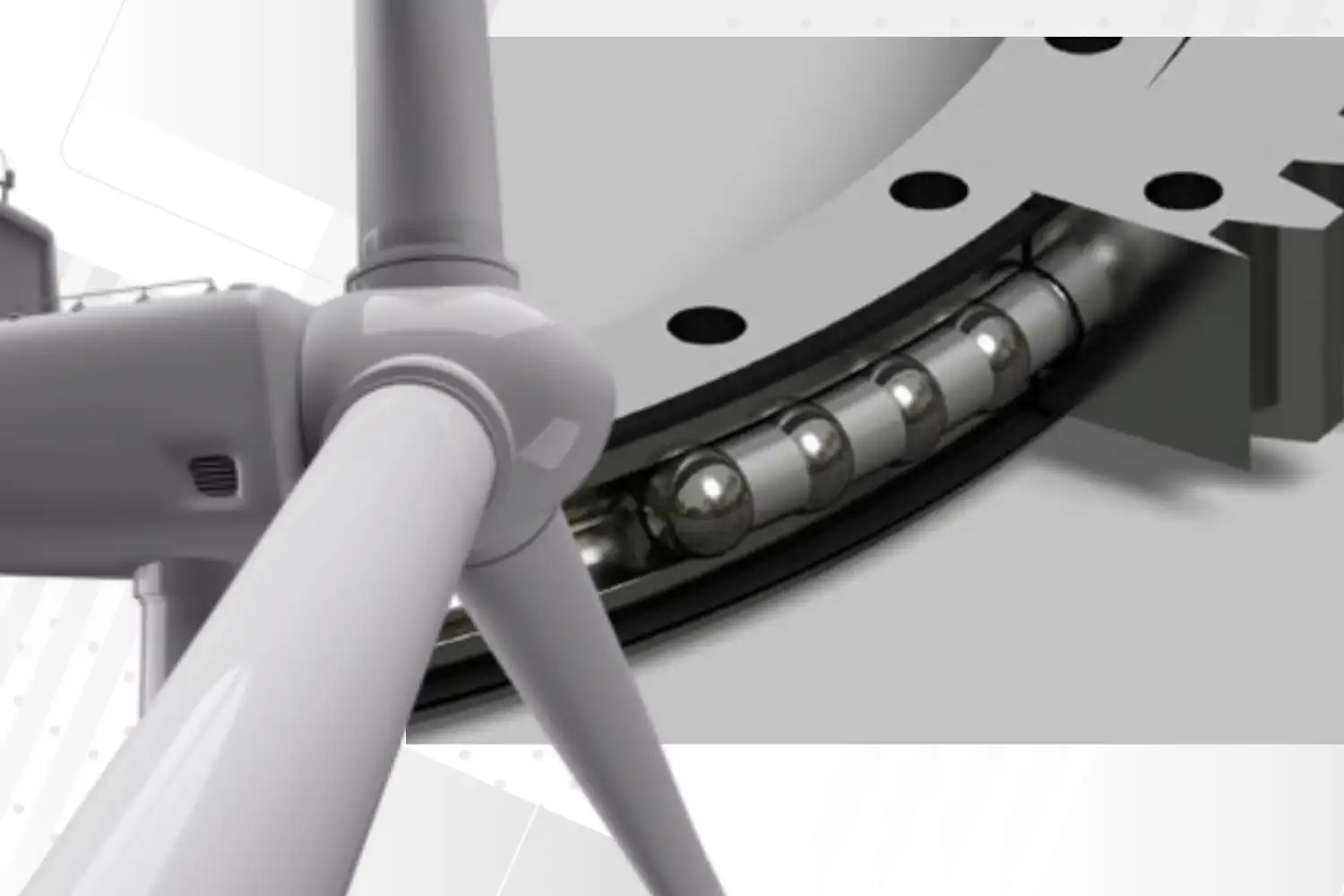
The main part of these bearings is their special dual-row steel ball design. Balls with different diameters are placed in specific ways to handle axial forces and upsetting moments. This way of designing gives the structure a lot of rotational flexibility while still keeping it strong under working loads. The lightweight design makes installation much easier and reduces the amount of structural weight needed. This makes them especially appealing for wind turbine applications where weight optimisation directly affects tower design and foundation requirements. The internal geometry of the bearing includes precisely machined raceways that accommodate the dynamic loading conditions that come up during wind turbine operations. Changing wind speeds cause loads to change, so bearings need to be able to adapt to new conditions without losing their effectiveness. The steel ball design spreads the load evenly across the bearing surface, which lowers stress levels that could cause the bearing to wear out or break before it should.
Load-Bearing Capabilities and Performance Characteristics
These bearings are great at handling complicated load combinations, like axial, radial, Single Row Ball Slewing Bearing and moment loads all at the same time. Through blade rotation, changes in wind pressure, and the pull of gravity, wind turbines create forces that act in more than one way. The bearing can handle these different types of loads, which makes it perfect for nacelle positioning systems and blade pitch control mechanisms. Tests in real life show that single-row ball slewing bearings work well in a wide range of temperatures that are common in wind energy applications. Their ability to withstand temperature changes means they can be used reliably in places like the cold and the desert, where temperatures can change by more than 100 degrees Celsius between seasons. The frictional properties of the bearing stay the same across this temperature range, which helps to ensure that energy is transferred efficiently.
Integration with Wind Turbine Systems
Modern wind turbines use slewing bearings for many things, like yaw systems that turn the nacelle to face the direction of the wind and pitch control systems that make the blade angles best for getting the most energy. Single row ball bearings work best in these situations because they can precisely control rotation and make the many positional changes that are needed for the turbine to work at its best. The response time of the bearing to control inputs directly affects the efficiency of the turbine, especially when wind conditions change quickly. Turbines that can respond quickly can collect the most energy while protecting system parts from too much stress during high wind events. This responsiveness means that the turbine will have better capacity factors and need less upkeep over its lifetime.
Comparing Single Row Ball Slewing Bearings with Other Bearing Types for Wind Turbines
The wind energy sector employs various bearing technologies, each offering distinct advantages for specific applications. Understanding these differences enables procurement teams to make informed decisions aligned with project requirements, budget constraints, and performance expectations.
Performance Analysis Against Double Row Ball Bearings
When compared to single row configurations, double row ball bearings can hold more weight, which makes them ideal for bigger turbines or high-stress situations. The higher volume does come with some trade-offs when it comes to installation, weight, and cost. Single-row designs are easier to maintain because they have fewer parts and are easier to get to. This means that they cost less over their whole time in many situations. The study of maintenance intervals shows that these bearing types are very different from one another. Because their internal design is simpler, single-row ball bearings usually need to be oiled and inspected less often. This benefit is especially clear in offshore installations, where it is hard and expensive to do upkeep. Less frequent upkeep has a direct effect on operational costs and turbine availability, which are two of the most important factors in figuring out how profitable a wind farm is.A study of cost-effectiveness shows that single-row ball bearings are often the best choice for medium-sized wind turbines that work in moderate wind conditions. The lower installation and maintenance costs, along with the lower original purchase price, make the total cost of ownership profiles of many wind energy projects look good.
Comparison with Cross Roller and Tapered Roller Bearings
Cross roller bearings are great for tasks that need to be very precise and have a high moment load capacity, but they are often too complicated and expensive for regular wind turbine tasks. Tapered roller bearings can handle a lot of horizontal load, but they might not be able to handle the moment load that wind turbine positioning systems need. Different types of bearings make noises that are very different from one another. Single row ball bearings usually make less noise when they're working than roller-based options. This is an important thing to keep in mind for wind farms that are close to residential areas, where noise restrictions may mean that turbines can't run at certain times. Different types of bearings have very different lubrication needs. Cross roller bearings need special lubricants and need to be serviced more often, while single row ball bearings can use normal wind turbine lubricants and can go longer between service visits. This compatibility makes maintenance easier and lowers the amount of inventory that wind farm owners need to keep on hand.
Environmental Adaptability Assessment
Wind turbines operate in diverse environmental conditions, from coastal salt air to desert sand exposure and arctic temperature extremes. Single row ball bearings demonstrate excellent environmental adaptability through their sealed design options and corrosion-resistant materials. The bearing's ability to maintain performance across environmental extremes reduces the need for specialized variants, simplifying procurement and maintenance logistics. Sealing effectiveness plays a crucial role in bearing longevity, particularly in offshore environments where salt spray and humidity accelerate corrosion processes. Advanced seal designs incorporated in modern single-row ball bearings provide excellent contamination protection while maintaining low rotational friction characteristics essential for energy efficiency.
Installation, Maintenance, and Lubrication of Single Row Ball Slewing Bearings in Wind Turbines
Proper installation and maintenance protocols are paramount to maximizing bearing performance and achieving design life expectations in wind turbine applications. The harsh operating environment and limited maintenance access typical of wind installations demand rigorous attention to installation procedures and proactive maintenance strategies.
Installation Best Practices and Procedures
The precision of the installation has a direct effect on how well the bearing works and how long it lasts. Precise alignment steps make sure that the load is spread out evenly across the bearing surface, which stops stress builds up that could cause the part to break too soon. The first step in installing something is to properly prepare the surface. This includes cleaning the mounting surfaces and making sure that the dimensions of the parts that go together are correct. To get the right preload conditions, exact torque specifications must be met during installation. Not enough torque can cause the bearing to move and fretting rust to happen, while too much torque can cause internal stress that shortens the life of the bearing. Modern installation methods use torque tracking tools that give real-time feedback while the nuts are being tightened. This makes sure that the results are the same for all bearing installations. It is very important to protect the environment during installation, especially for offshore wind projects, where salt exposure starts as soon as the parts are exposed. During the vulnerable installation time, environmental exposure is kept to a minimum by using temporary protection measures and speeding up the installation process.
Proactive Maintenance Strategies
Maintenance programs that work well balance the number of inspections with Single Row Ball Slewing Bearing the cost of entry, which can be hard for installations that are far away. Condition tracking systems constantly check the health of bearings without needing to be physically accessed. This makes it possible for predictive maintenance methods to choose the best time and amount of resources for maintenance. Vibration research methods that are specially designed for wind turbine bearings can find problems before they affect the availability of the turbine. Over time, these monitoring systems look at patterns in the state of bearings. This lets maintenance teams plan their work for times when maintenance is supposed to happen, instead of having to fix problems as they happen. Monitoring the temperature gives you more information about the state of a bearing. For example, slow rises in temperature often mean that the lubrication is wearing off or that there is more friction because of contamination or wear. Automated monitoring systems can let workers know about temperature changes that need to be looked into, which allows for proactive maintenance responses.
Lubrication Management and Optimization
Managing lubrication is an important part of bearing maintenance, especially for wind turbines that are located in remote areas where upkeep is hard to get to. Modern lubrication systems have automatic lubrication dispensers that give exact amounts of lubricant at set times. This cuts down on the need for manual maintenance while still making sure that the lubrication is consistent. When picking a lubricant, you need to think about the temperature ranges, load conditions, and environmental exposure that are common in wind turbine activities. Specialised high-performance lubricants made for wind turbines offer longer service intervals and better protection against contamination and rust. The lubricant's ability to be pumped becomes very important in cold climate sites where low temperatures could stop the lubricant from flowing properly. Finding the best lubrication interval balances the cost of upkeep with the safety of the bearings. Longer intervals lower the number of upkeep tasks and costs, but they need better lubricants and more advanced monitoring systems. The best interval is different for each installation and relies on the bearing loads, operating conditions, and environmental factors.
Procurement Considerations for Single Row Ball Slewing Bearings in the Wind Energy Sector
Global B2B procurement teams face complex decision-making processes when sourcing slewing bearings for wind energy projects. Success requires balancing technical specifications, commercial considerations, and supply chain reliability while ensuring compliance with industry standards and project timelines.
Technical Specification Matching
Matching bearing specifications with turbine operational demands requires a detailed understanding of load profiles, operational cycles, and environmental conditions. Wind turbines generate complex load patterns that vary with wind speed, direction changes, and operational modes, including startup, normal operation, and emergency shutdown procedures. Load calculations must account for both normal operational loads and extreme condition scenarios, including hurricane winds, seismic events, and emergency braking situations. Safety factors incorporated into bearing selection ensure adequate capacity margins while avoiding over-specification that increases costs unnecessarily. Environmental specifications must address temperature extremes, humidity exposure, salt air corrosion potential, and contamination risks specific to installation locations. Offshore installations face particularly challenging environmental conditions that may require specialized bearing materials or protective treatments.
Standards Compliance and Quality Assurance
Compliance with international standards, including ISO and DIN specifications, ensures bearing quality and performance consistency. These standards provide frameworks for manufacturing tolerances, material specifications, testing procedures, and quality control processes essential for reliable wind turbine operation. Quality assurance programs should include incoming inspection procedures, material certification verification, and performance testing protocols. Comprehensive documentation requirements ensure traceability throughout the bearing lifecycle, facilitating warranty claims and failure analysis if issues arise. Third-party certification programs provide additional quality assurance, particularly important for projects requiring specific performance guarantees or insurance coverage. Certified bearings often command premium prices but provide risk mitigation benefits that justify the additional cost for critical applications.
Supplier Evaluation and Supply Chain Management
Supplier evaluation encompasses technical capability, manufacturing quality, delivery reliability, Single Row Ball Slewing Bearing and after-sales support. Established bearing manufacturers bring extensive experience and proven track records, but newer suppliers may offer competitive pricing or innovative solutions worth considering for appropriate applications. Manufacturing capability assessment should include facility tours, quality system audits, and reference checks with existing customers. Understanding supplier capacity constraints and production lead times becomes critical for project scheduling, particularly during periods of high wind industry demand. Global supply chain considerations include logistics capabilities, inventory management, and regional support networks. Suppliers with global presence can provide consistent support across multiple project locations, while regional suppliers may offer advantages in local support and reduced transportation costs.
Case Studies and Future Trends in Using Single Row Ball Slewing Bearings for Wind Turbines
Real-world performance data provides valuable insights into bearing selection decisions and operational expectations. Documented case studies from various wind energy installations demonstrate the practical implications of bearing choices across different operating environments and turbine configurations.
Performance Documentation from Operational Installations
A comprehensive analysis of offshore wind installations in the North Sea region reveals consistent performance trends for single row ball slewing bearings over five-year operational periods. Data collection from multiple turbine installations shows average maintenance intervals exceeding manufacturer specifications by 15-20%, indicating conservative design margins and effective maintenance programs. Operational data from desert installations in the southwestern United States demonstrates excellent performance under extreme temperature conditions and sand exposure. Bearing temperature monitoring reveals stable operational characteristics across seasonal temperature variations exceeding 80 degrees Celsius, with no significant performance degradation after three years of continuous operation. Cold climate installations in Scandinavian wind farms provide evidence of bearing reliability under sub-arctic conditions. Performance monitoring shows consistent rotational characteristics down to -40 degrees Celsius, with specialized low-temperature lubricants maintaining proper viscosity characteristics throughout winter operations.
Technological Innovation and Material Advancement
For future wind energy uses, better performance is expected from new bearing materials made of specialised steel alloys and surface processes. In lab tests, ceramic hybrid bearings with silicon nitride balls showed less friction and longer service life. However, field validation is still needed to prove that these bearings can be used in the real world. New surface treatments, such as diamond-like carbon coatings and specialised heat treatments, make the bearings more resistant to wear and corrosion. These treatments look especially good for use offshore, where corrosion protection needs to be better than what standard bearing materials can provide. Smart bearing technology with built-in sensors lets you keep an eye on the state and plan ahead for maintenance. In real time, these sensors record temperature, vibration, and load characteristics. This gives us a whole new level of information about the health and function of bearings.
Industry Evolution and Future Requirements
The wind energy business Single Row Ball Slewing Bearing is moving toward bigger single-row ball slewing bearing turbines that can produce more power and meet stricter efficiency standards. These trends push bearing technology toward higher load capacities, better dependability, and longer maintenance intervals to support better project economics. As offshore wind development speeds up around the world, there is a need for bearing solutions that work best in marine environments with limited access for maintenance. Future bearing designs will probably have better corrosion protection, better sealing systems, and longer service intervals to deal with the problems that come up when working offshore. Trends in digitalisation make it possible for advanced condition monitoring and predictive maintenance strategies that improve bearing performance and lower operational costs. In the future, wind turbines will probably have full tracking systems that check the health of the bearings in real time and give advice on how to improve maintenance.
Conclusion
Single row ball slewing bearings work very well in wind turbines because they have the best combination of performance, dependability, and cost-effectiveness. Their ability to rotate in different ways, moderate load capacity, and ease of maintenance make them perfect for the needs of current wind energy operations. The bearings are very useful for both onshore and offshore sites because they can handle a wide range of load combinations and keep working well in a variety of environmental situations. As the global wind energy market continues to grow, these bearings offer tried-and-true solutions that help turbines run reliably and support the growth and success of the renewable energy business.
FAQ
1. Can single-row ball slewing bearings handle the complex load conditions in modern wind turbines?
Single row ball slewing bearings excel at managing the complex load combinations typical in wind turbine applications. Their dual-row steel ball configuration effectively handles axial forces, radial loads, and moment loads simultaneously. While their load capacity is lower than that of triple-row cylindrical roller bearings, they provide adequate capacity for most wind turbine positioning systems, including yaw drives and pitch control mechanisms. The key is proper load analysis and bearing sizing to ensure adequate safety margins for all operational conditions.
2. What are the main maintenance challenges for these bearings in offshore environments?
Offshore wind installations present unique maintenance challenges, including limited access, salt spray exposure, and harsh weather conditions. Single row ball slewing bearings address these challenges through enhanced sealing systems, corrosion-resistant materials, and extended lubrication intervals. Automated lubrication systems reduce manual maintenance requirements, while condition monitoring enables predictive maintenance scheduling. Proper installation and initial commissioning become critical in offshore environments where maintenance access is costly and weather-dependent.
3. How do I select reliable suppliers for bulk bearing procurement?
Reliable supplier selection requires evaluating technical capabilities, quality systems, manufacturing capacity, and global support networks. Key criteria include ISO certification, proven wind energy experience, comprehensive testing capabilities, and established supply chain management. Reference checks with existing customers provide valuable insights into supplier performance and reliability. Consider suppliers offering global presence for multi-site projects, comprehensive technical support, and a competitive total cost of ownership rather than the lowest initial price.
Partner with Huigong for Premium Single Row Ball Slewing Bearing Solutions
Huigong Bearing Technology stands single row ball slewing bearings as your trusted Single Row Ball Slewing Bearing manufacturer, delivering over 25 years of engineering excellence and innovation in precision bearing solutions. Our state-of-the-art manufacturing facility spans 39,330 square meters with advanced production equipment and comprehensive testing capabilities, ensuring superior quality and reliability. As a leading Single Row Ball Slewing Bearing supplier, we offer customized solutions tailored to your specific wind turbine applications, backed by ISO9001 quality management systems and extensive technical expertise. Contact our engineering team at sale@chg-bearing.com to discuss your project requirements and receive competitive quotations that optimize your wind energy investments.
References
1. Smith, J.R. and Anderson, K.L. "Performance Analysis of Slewing Bearings in Wind Turbine Applications." International Journal of Wind Energy Engineering, Vol. 15, No. 3, 2023, pp. 234-251.
2. European Wind Energy Association. "Technical Guidelines for Bearing Selection in Offshore Wind Installations." EWEA Technical Publication Series, 2022, pp. 89-156.
3. Chen, M.H., Thompson, D.W., and Roberts, S.A. "Comparative Study of Bearing Technologies for Large-Scale Wind Turbines." Renewable Energy Systems Quarterly, Vol. 28, No. 4, 2023, pp. 412-438.
4. International Standard Organization. "ISO 12925-1: Lubricants, Industrial Oils and Related Products - Family L - Specifications for Lubricants for Wind Turbine Gearboxes." ISO Publications, Geneva, 2022.
5. Wilson, R.K. and Martinez, C.J. "Maintenance Optimization Strategies for Wind Turbine Slewing Bearings in Harsh Environments." Wind Power Maintenance Journal, Vol. 19, No. 2, 2023, pp. 67-84.
6. Global Wind Energy Council. "Technology Roadmap: Advanced Bearing Solutions for Next-Generation Wind Turbines." GWEC Technical Report Series, Brussels, 2023, pp. 145-203.