

Bearings for Wind Turbines: Maintenance Best Practices
Bearings For Wind Turbines are an important part of green energy infrastructure, and they need to be maintained in a certain way to make sure they work well and last a long time. Extreme weather, changing loads, and constant use in faraway areas are some of the problems that these important parts have to deal with. Proper care has a direct effect on how well turbines work, how much they cost to run, and how long they last. Knowing how complicated wind turbine bearing maintenance is lets engineering teams come up with preventative measures that cut down on downtime, lower the cost of replacement, and boost energy production in a variety of working conditions.
Understanding Wind Turbine Bearings and Their Role in Turbine Performance
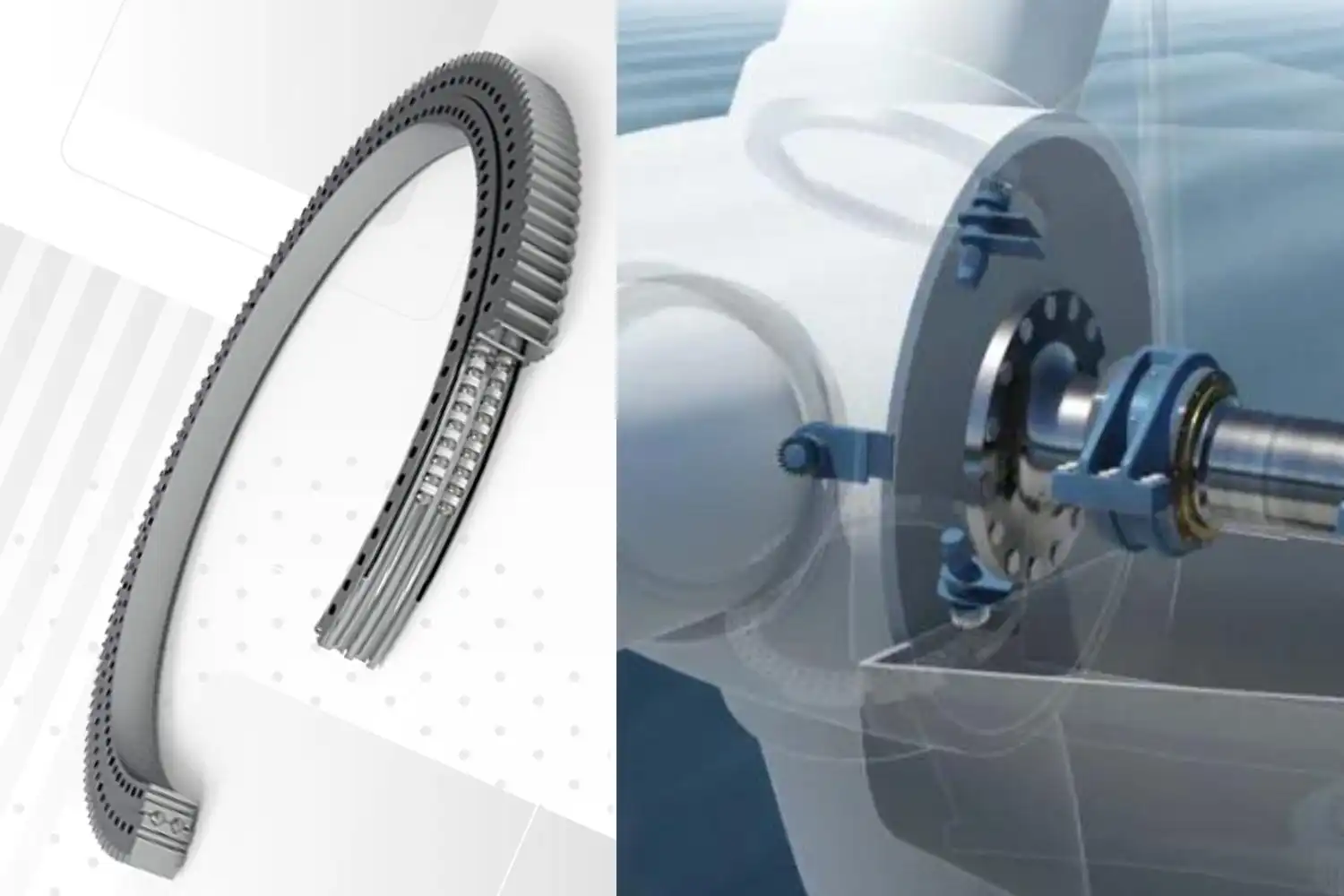
Wind turbine bearing systems operate under some of the most demanding conditions in industrial machinery. Unlike conventional bearings, these specialized components must endure constant exposure to environmental stresses while supporting massive rotating assemblies that generate renewable energy.
Main Bearing Types and Their Applications
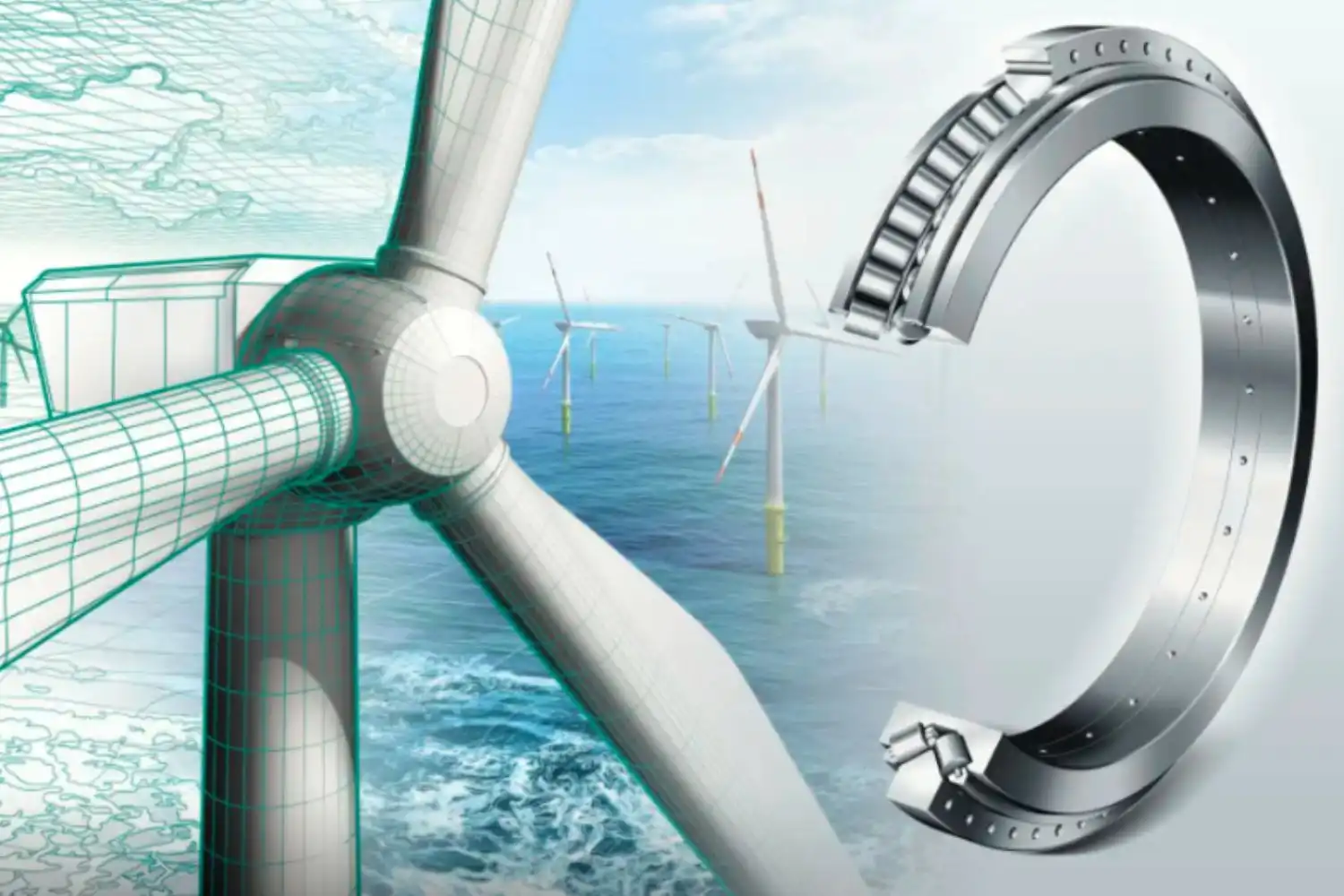
Modern wind turbines use a number of different bearing configurations, each designed to meet specific working needs. When the main shaft needs to handle the full weight of the rotor while also adjusting for thrust loads caused by wind pressure, tapered roller bearings are the best choice. Spherical roller bearings can hold a lot of radial load and can also straighten themselves, which makes them perfect for gearboxes where tower movement can cause misalignment. The biggest and most complicated parts are the slewing bearings, which can be made with four-point contact balls or crossed rollers. Pitch and yaw moves are made possible by these huge assemblies, which often have internal diameters of more than 1.5 meters. They are built with mounting holes, lubrication systems, and sealing arrangements that are meant to work effectively for decades.
Environmental Impact on Bearing Selection
Offshore systems have extra-tough problems that affect the choice of bearing material and design features. Because salt spray speeds up rust, coating systems need to be better, and seals need to be more reliable. When temperatures range from -40°C to +80°C, you need materials with stable dimensional features and lubricants that can keep their viscosity over a wide range of temperatures. Onshore turbines have to deal with different but just as difficult situations, such as dust getting inside, ice forming, and lightning strikes. Because of these things, bearings need strong sealing systems and electrical insulation qualities that keep them from getting damaged by electrical discharge.
Common Issues and Failure Modes in Wind Turbine Bearings
Bearing failures in wind turbine applications typically Bearings For Wind Turbines result from a combination of environmental factors, operational stresses, and inadequate maintenance protocols. Understanding these failure mechanisms enables proactive maintenance strategies that prevent costly unplanned shutdowns.
Primary Failure Mechanisms
One of the most worrisome ways that modern wind turbine bearings can fail is through white etching cracks, or WEC. These cracks appear below the surface when certain factors of load, lubrication, and electrical activity come together. According to research, WEC formation speeds up when there isn't enough grease, and it can shorten the life of a bearing by up to 90% compared to other types of fatigue failure. Micropitting happens when uneven surfaces rub against each other over and over again, while the grease film is too thin. This effect is especially noticeable in gearbox bearings that work at high speeds, where elastohydrodynamic greasing is very important. Measurements of surface roughness greater than 0.4 Ra usually mean that micropitting has started.
Detection and Monitoring Strategies
Temperature tracking can tell you right away if a bearing is having problems. Usually, increases of 10 to 15°C above the normal temperature mean that the lubrication has broken down or become contaminated. By placing accelerometers at bearing sites and using vibration analysis, problems can be found months before they become catastrophic. Using acoustic emission tracking, a more advanced method can find cracks starting and spreading in real time. This technology is especially useful for checking main shaft bearings that are hard to get to with traditional methods.
Best Practices for Wind Turbine Bearing Maintenance
Effective maintenance protocols combine scheduled interventions with condition-based strategies that optimize bearing performance while minimizing operational disruptions.
Lubrication Management Strategies
Proper grease is the single most important thing that affects how long a bearing lasts. For Bearings For Wind Turbines, whether to use grease or oil to lubricate depends on the type of bearing, the speed at which it works, and how easy it is to get to. Most main shaft bearings use high-quality lithium complex greases that have extreme pressure additives that can handle loads of more than 2000 MPa. The consistent supply of lubricant is made possible by automatic lubrication systems, which also keep workers from being exposed to dangerous working conditions. To keep contaminants from getting in during lubrication intervals, these systems must be able to filter and check for contamination.
Key lubrication best practices include:
- Compatibility verification - Mixing incompatible lubricants can cause chemical reactions that destroy lubrication properties. Laboratory analysis should confirm compatibility before changing lubricant types or suppliers.
- Storage and handling protocols - Lubricants must remain sealed and stored in clean, temperature-controlled environments to prevent moisture absorption and contamination. Dispensing equipment should include filtration systems rated for 10-micron particle removal.
- Application timing - Over-lubrication creates elevated temperatures and seal damage, while under-lubrication accelerates wear. Precise application quantities based on bearing size and operating conditions optimize performance and component life.
These lubrication strategies directly address the primary causes of bearing failure in wind turbines while establishing measurable performance metrics for maintenance teams.
Inspection and Troubleshooting Methods
By using systematic inspection methods, problems can be found early on, before they become so bad that they fail. Visual checks should focus on the state of the lubricant, the integrity of the seals, and the torque requirements for the mounting hardware. Endoscopic study of hard-to-reach bearings allows for detailed evaluation without having to take the whole thing apart. Predictive analytics tools use data from many sensors to find patterns that show when something is about to break. Machine learning algorithms look at old data to set a baseline and let support teams know when parameters change too much from what is expected. This method makes turbines more available while cutting upkeep costs by up to 30%.
Selecting the Right Bearings for Longevity and Efficiency
Bearing selection decisions impact turbine performance for decades, making careful evaluation of materials, designs, and supplier capabilities essential for project success.
Material Comparison and Design Features
When corrosion resistance and electrical insulation qualities are important for the job, ceramic hybrid bearings perform better than other types of bearings. Silicon nitride rolling elements can withstand chemical attacks from worn-out lubricants and keep their shape even at very high or very low temperatures. Their higher starting cost, on the other hand, means that total ownership costs need to be carefully looked at. When steel bearings are made from vacuum-degassed materials, the amount of inclusions that can cause wear cracks is kept to a minimum. Modern heat treatment methods create ideal hardness gradients that balance the toughness of the core and the sturdiness of the surface. When compared to traditional processing ways, these improvements in manufacturing make bearings last 25 to 40 percent longer.
Configuration Selection Criteria
Sealed bearing configurations lower maintenance needs by keeping dirt out, which makes them a good choice for remote sites where access costs are still high. Bearings For Wind Turbines often adopt this sealed design approach in such environments. Open bearings are better at getting rid of heat and can handle higher working temperatures, but they need to be serviced more often. When choosing between sealed and open configurations, you need to think about the working environment, how easy it is to maintain, and the total cost of ownership. Offshore installations usually choose sealed designs, even though they cost more at first, because they last longer and need less upkeep.
Partnering with Reputable Bearing Manufacturers and Suppliers
Supplier selection significantly influences project outcomes through product quality, technical support, and service reliability. Established manufacturers invest heavily in research and development activities that advance bearing technology and address industry-specific challenges.
Leading Manufacturer Capabilities
Global bearing makers like SKF, Timken, and Schaeffler have large wind energy sections that work on making solutions that are perfect for each application. These businesses offer a wide range of support services, such as failure analysis, training programs, and condition tracking systems that make operations run more smoothly. Huigong Bearing Technology is one of the most well-known companies that makes big bearings. They are especially good at making thin-section and slewing bearings, bearing failure in wind turbines which are very important for wind turbines. Every year, our factory makes more than 30,000 sets of specialised bearings with the help of state-of-the-art testing tools and quality control systems.
Procurement Process Optimization
Cost, quality, and shipping schedules all need to be taken into account in good procurement strategies. Lead times for specialised wind turbine bearings are often 16 to 24 weeks, so it's important to plan to make sure that project and maintenance timetables don't clash. Authorised distributors give you access to original parts that come with full warranties and technical help from the manufacturer. When you work directly with a producer, you can make changes and get priority during times of high demand.
Conclusion
To properly maintain Bearings For Wind Turbines, you need to know how they break, how to deal with problems in the surroundings, and how the machines need to work. Maintenance programs that improve turbine performance while lowering operational costs are built on good lubrication management, condition tracking, and partnerships with suppliers. Combining advanced tracking technologies with traditional inspection methods makes it possible to use predictive maintenance plans that stop parts from breaking down when they're least expected and make them last longer. Buying good bearings from reputable companies and following strict maintenance rules will make sure that wind energy assets generate energy reliably and give you the best return on your investment over their entire operating lifetime.
FAQ
1. How often should wind turbine bearings be inspected?
Inspection frequency depends on bearing type and operating conditions. Main shaft bearings require quarterly visual inspections with annual detailed assessments. Gearbox bearings need monthly monitoring through vibration analysis and oil sampling. Pitch and yaw bearings should undergo semi-annual inspections focusing on seal integrity and lubrication condition.
2. What are the early warning signs of bearing failure?
Temperature increases above 15°C from baseline, unusual vibration patterns, and audible noise changes indicate developing problems. Visual signs include lubricant discoloration, seal leakage, and excessive play in rotating components. Advanced monitoring systems can detect these conditions months before catastrophic failure occurs.
3. Are ceramic bearings worth the additional cost for wind turbine applications?
Ceramic hybrid bearings provide advantages in electrically active environments and corrosive conditions, but cost 3-4 times more than steel alternatives. The investment makes sense for critical applications where failure consequences are severe or where extended maintenance intervals justify the premium. Total cost analysis should consider maintenance savings and improved reliability over the bearing's operational life.
Contact Huigong for Superior Bearings For Wind Turbines Solutions
Huigong Bearing Technology delivers world-class engineering solutions for wind energy applications through our advanced manufacturing capabilities and three decades of industry expertise in bearings for wind turbines. Our specialized Bearings For Wind Turbines incorporate cutting-edge materials and precision manufacturing techniques that ensure reliable operation under the most demanding conditions. As a leading manufacturer of bearings for wind turbines, we provide customized solutions tailored to your specific turbine requirements and operational challenges. Our team of expert engineers works closely with procurement professionals to optimize bearing selection, maintenance protocols, and supply chain efficiency. Contact us at sale@chg-bearing.com to discuss your project requirements and discover how our high-performance bearings can enhance your wind energy operations while reducing the total cost of ownership.
References
1. Harris, T.A. & Kotzalas, M.N. (2019). Advanced Concepts of Bearing Technology: Rolling Bearing Analysis, Fifth Edition. CRC Press.
2. International Electrotechnical Commission. (2018). IEC 61400-4: Wind Energy Generation Systems - Part 4: Design Requirements for Wind Turbine Gearboxes. IEC Publications.
3. Stadler, K. & Stubenrauch, A. (2020). White Etching Crack Root Cause Analysis and Prevention in Wind Turbine Bearings. Wind Power Engineering & Development Journal, 24(3), 45-52.
4. American Wind Energy Association. (2021). Wind Turbine Bearing Maintenance Best Practices Guide. AWEA Technical Publications.
5. Evans, M.H. (2019). An Updated Review of White Etching Cracks in Rolling Element Bearings. Materials Science and Technology, 35(11), 1282-1298.
6. Greco, A. & Sheng, S. (2018). Performance Analysis of Wind Turbine Gearbox Bearings. National Renewable Energy Laboratory Technical Report NREL/TP-5000-71579.