

Bearings for Wind Turbines: Radial & Axial Load Support
Bearings for wind turbines are specialised technical parts Bearings For Wind Turbines that are needed to handle both radial and axial loads while the turbine is running. These well-thought-out solutions make sure that the best amount of energy is captured while also being able to survive harsh environmental conditions. To handle the constant rotational forces of wind turbines, bearing systems need to be very durable. This is why proper load support mechanisms are so important for making green energy installations more operationally efficient and lowering maintenance costs.
Understanding Bearings in Wind Turbines: Functions and Types
For wind energy systems to work, they need very advanced bearing technologies that can handle very complicated load patterns. Modern wind turbines are under a lot of mechanical stress from many directions. To keep their smooth rotational performance when the wind blows in different directions, they need special bearing designs.
Primary Functions of Wind Turbine Bearings
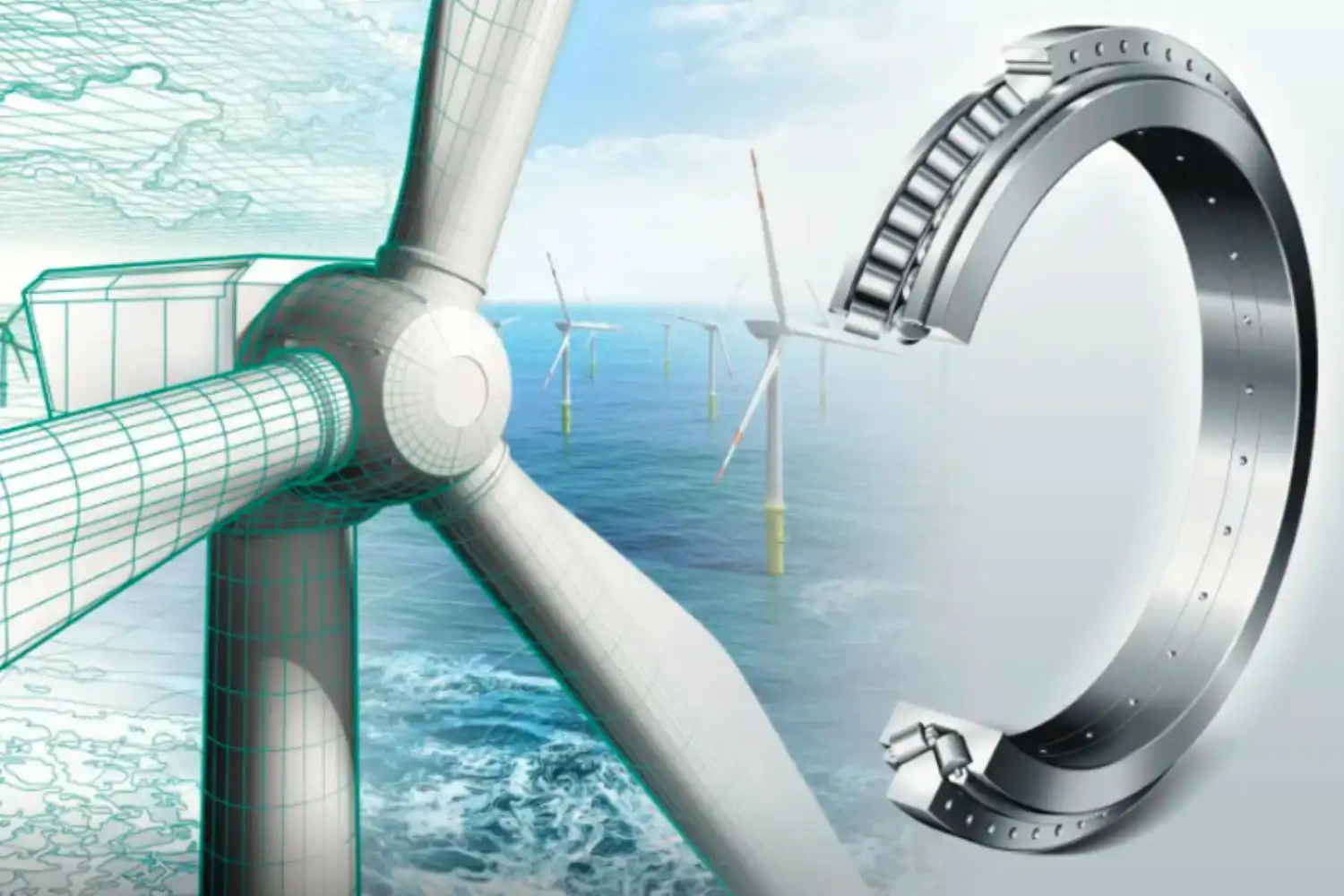
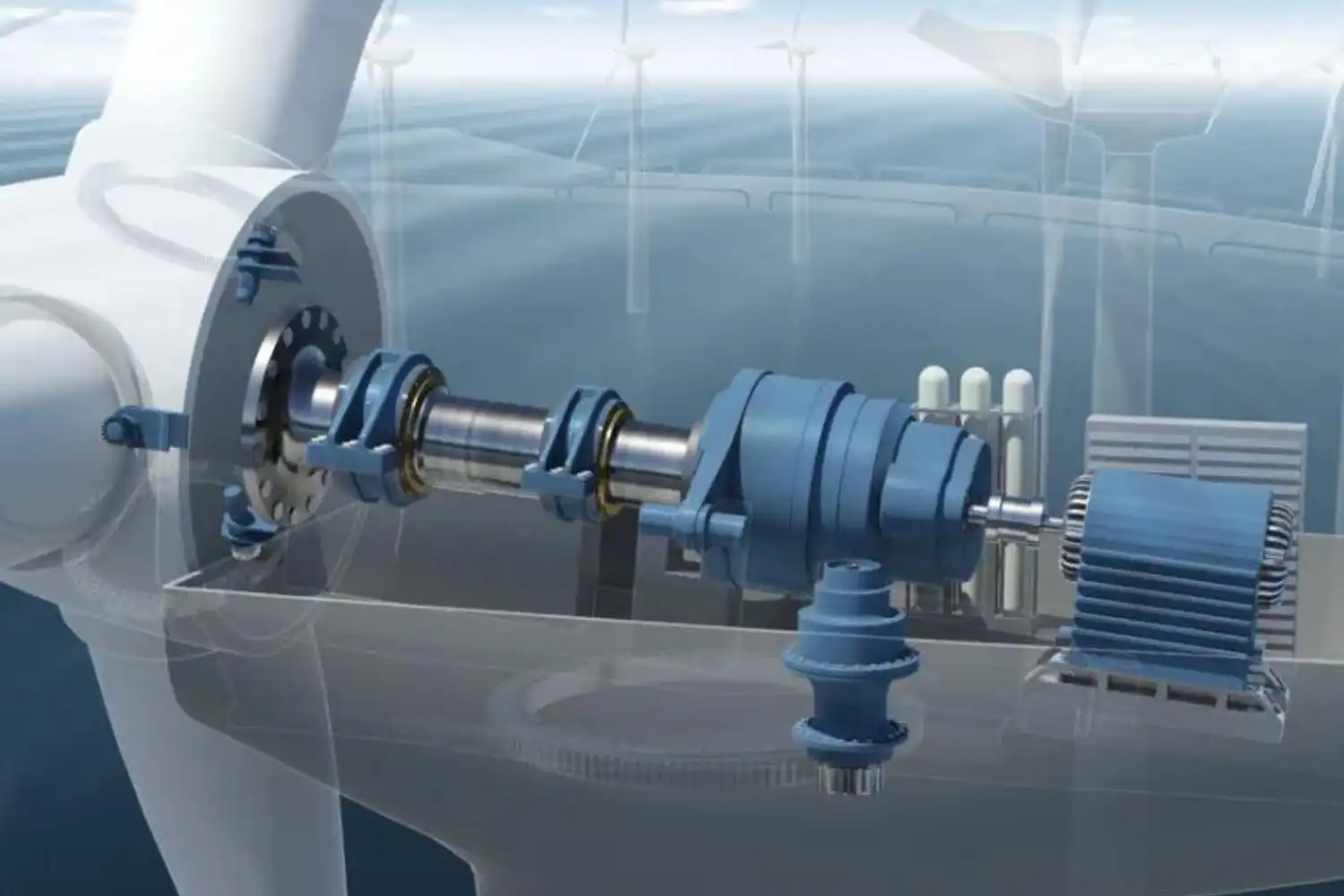
Bearings in wind turbines do a lot more important things than just support movement. At the same time, these parts have to deal with horizontal loads caused by gravity and axial loads caused by changes in wind pressure. The main bearing system holds up the whole rotor weight and can handle thrust forces that are more than a few hundred tonnes during high wind events. One of the most important types of bearings used in wind turbines is the slewing bearing. These big bearings can handle more axial and radial loads as well as rolling moments at the same time. Most slewing bearings have mounting holes, wheels that can be inside or outside the bearing, lubricant holes, and a lot of sealing equipment to keep out dirt and dust.
Bearing Configuration Options
There are different structural setups for slewing ring bearings, and each one is best for a certain set of operational needs. Four-point contact ball slewing bearings can hold a lot of static load, which makes them perfect for situations where windmills are under a lot of load for a long time. Angular contact ball slewing bearings with two rows spread the load more evenly across more contact points. Crossed cylindrical roller slewing bearings work great for tasks that need to handle a lot of dynamic load. This is especially true for wind turbines that work in settings with changing wind speeds. These bearings spread forces out more evenly over bigger contact areas. This lowers stress concentrations and makes the bearings last longer. Crossed tapered roller bearings have better stiffness and spinning accuracy thanks to preloading methods, which are necessary to keep the blades in the right place. These three-row cylindrical roller slewing bearings can handle a wide range of loads and can be used with or without gears, based on the type of turbine. Choosing between geared and non-geared options relies on how much torque needs to be transferred and how the drivetrain is built as a whole.
Choosing the Right Bearings for Wind Turbines – A Decision Support Approach
Selecting appropriate bearing solutions requires a comprehensive evaluation of operational contexts and performance requirements. The decision-making process must account for various factors, including turbine size, installation environment, expected load conditions, Bearings For Wind Turbines, and maintenance accessibility.
Operational Environment Considerations
Offshore wind installations present significantly different challenges compared to onshore applications. Marine environments expose bearings to salt spray, humidity variations, and temperature fluctuations that can accelerate corrosion processes. Offshore turbines typically require enhanced sealing systems and specialized corrosion-resistant materials to maintain long-term reliability. Onshore installations face different environmental stresses, including dust contamination, temperature extremes, and potential ice formation during winter months. These conditions necessitate bearing designs that prioritize contamination resistance and thermal stability while maintaining operational flexibility across diverse climate conditions.
Load Capacity and Performance Metrics
Critical evaluation metrics guide bearing selection decisions across various turbine applications. Load capacity assessments must consider both static and dynamic loading scenarios, accounting for peak wind events that can generate substantial thrust forces. Friction characteristics directly impact energy efficiency, with low-friction bearing designs contributing measurably to overall turbine performance. Service life expectations vary significantly based on bearing type and operational conditions. Procurement teams must balance initial costs against long-term operational expenses, considering maintenance requirements and replacement schedules. Advanced bearing materials and surface treatments can extend service intervals while reducing the total cost of ownership. The comparison between tapered roller bearings and spherical roller bearings illustrates important trade-offs in wind turbine applications. Tapered roller bearings provide superior thrust load capacity and precise positioning accuracy, making them suitable for main shaft applications. Spherical roller bearings offer better misalignment tolerance and shock absorption, beneficial for pitch and yaw mechanisms.
Manufacturing and Procurement Strategies
Reputable global manufacturers offer diverse solutions tailored to specific turbine requirements. OEM partnerships provide advantages in terms of integration support and warranty coverage, while aftermarket suppliers may offer cost benefits for replacement applications. Bulk purchasing arrangements can significantly reduce per-unit costs while ensuring consistent supply chain reliability. Custom bearing solutions address unique design challenges encountered in specialized turbine configurations. These applications often require modified geometries, enhanced materials, or specialized lubrication systems to meet specific performance requirements. Lead times for custom bearings typically extend beyond standard products, requiring advanced procurement planning.
Maintenance, Common Issues, and Failure Prevention in Wind Turbine Bearings
Effective maintenance strategies directly impact bearing performance and turbine reliability. Proactive maintenance approaches can extend bearing life significantly while reducing unplanned downtime costs that often exceed bearing replacement expenses.
Preventive Maintenance Best Practices
Routine inspection protocols should incorporate visual assessments, vibration monitoring, and temperature tracking to identify potential issues before they escalate. Lubrication management represents a critical aspect of bearing maintenance, requiring precise lubricant selection and application schedules based on operational conditions. Advanced condition monitoring technologies enable predictive maintenance strategies that optimize intervention timing. Vibration analysis Bearings For Wind Turbines systems can detect early-stage bearing degradation through frequency domain analysis, identifying specific fault patterns associated with different failure modes. Temperature monitoring provides complementary data for assessing lubrication effectiveness and thermal stability.
Common Failure Modes and Prevention
Wear patterns on bearings can tell you a lot about how well they are working and how much care they need. When there is cyclic loading, surface wear usually shows up over time as pitting or spalling on the raceway surfaces. Metal particles that show wear and tear can be found in regular oil tests before they show up visually. In marine settings, where salt can get inside bearing seals, corrosion is especially hard to deal with. For protection to work, you need strong sealing systems, materials that don't rust, and the right kind of lubricant. Environmental sealing has to find a balance between keeping out contaminants and allowing for freedom in how the business runs.Failures in lubrication are often caused by contamination, wear, or not having enough oil. Automated lubrication systems can keep the flow of lubricant steady while reducing the need for human intervention. When it comes to offshore sites, where maintenance access is hard to get to and costs a lot, these systems really shine.
Innovations and Trends in Wind Turbine Bearings – Future Outlook
Emerging technologies continue to reshape bearing performance and capabilities through advanced materials and manufacturing processes. These innovations address growing demands for increased reliability, extended service life, and improved energy efficiency across wind energy applications.
Material Advancement and Technology Integration
When used in certain situations, ceramic bearings are much better than standard steel bearings because they are less likely to rust and cause less friction. Even though they cost more at first, ceramic bearings can pay for themselves by lasting longer between repairs and working better in harsh conditions. Modern coating technologies improve the performance of bearings by changing the surface in ways that make it less likely to wear out and increase friction. Diamond-like carbon coatings make things very hard and reduce friction, and special surface treatments can make things less likely to rust in marine settings. When used in certain bearing applications, composite materials can help reduce weight and improve vibration damping. These materials allow for more design freedom for unique solutions and may lower the cost of production by making processes easier.
Industry Standards and Sustainability Focus
As business standards change, they include sustainability factors along with traditional performance measures. To meet environmental responsibility standards, bearing manufacturers are focusing more and more on materials that can be recycled, production methods that use less energy, and products that last longer. Bearing designs that use less energy directly improve the performance of turbines by lowering parasitic losses. Low-friction technologies and optimised geometries can help collect more energy while lowering the need for maintenance. As turbine sizes keep getting bigger and requests for higher efficiency rise, these changes become more and more important.
Procurement Guide: Where and How to Buy Wind Turbine Bearings
Sourcing high-quality wind turbine bearings requires careful evaluation of suppliers, pricing structures, Bearings For Wind Turbines and support services. Successful procurement strategies balance cost considerations against quality requirements while ensuring reliable supply chain support.
Supplier Selection and Evaluation
Authorised distributors and original equipment makers (OEMs) in global markets each offer different benefits based on the needs of the customer. Chinese companies like Huigong offer reasonable prices and full technical support, while European companies tend to focus on high quality and a wide range of engineering services. Pricing structures vary a lot from one provider to the next, depending on service levels, volume commitments, and the need for customisation. Bulk purchasing deals can cut unit costs by a lot while still making sure that supplies are always available. People who work together for a long time often get extra perks, like getting priority when supplies are low.
Quality Assurance and Support Services
Warranty coverage is an important thing to think about when choosing a supplier, especially for important uses where bearing failures can cost a lot in downtime. Full warranties should cover problems with the way the product was made and make it clear how to set up and maintain it. When you have complicated applications that need special installation or maintenance steps, technical support services become more and more important. Suppliers offering comprehensive technical documentation, training programs, and field support services provide additional value beyond product quality. Shipping logistics and delivery dependability have a direct effect on how long projects take and how much it costs to handle inventory. International suppliers must show that they can consistently meet shipping deadlines and be open about any possible delays or supply problems.
Conclusion
To get the most out of green energy, wind turbine bearing systems are very important parts that need to be carefully chosen and maintained. Understanding radial and axial load management properly helps you make smart purchasing choices that increase turbine reliability while lowering running costs. Bearing technologies are always changing, and new materials and manufacturing methods offer better efficiency and longer service life. To get the best results in a wide range of wind energy uses, it's important to carefully consider the supplier's skills, your specific technical needs, and the support services you'll need in the long term.
FAQ
1. What types of bearings are most suitable for wind turbine applications?
Slewing bearings represent the primary choice for wind turbine main bearing applications due to their ability to handle combined radial, axial, and moment loads simultaneously. Four-point contact ball bearings excel in static load situations, while crossed cylindrical roller bearings provide superior dynamic load capacity. The specific bearing type depends on turbine size, operational environment, and load characteristics.
2. How can I identify when wind turbine bearings require immediate maintenance?
Key indicators include unusual noise patterns, increased vibration levels, elevated operating temperatures, and visible lubricant contamination or leakage. Advanced monitoring systems can detect these symptoms early through continuous vibration analysis and temperature tracking. Regular oil analysis also reveals metal particles that indicate progressive wear before visual symptoms appear.
3. Can I source customized bearings from global manufacturers for specific turbine requirements?
Yes, many manufacturers offer custom bearing solutions tailored to specific turbine designs and operational requirements. Customization options include modified geometries, specialized materials, enhanced sealing systems, and unique lubrication arrangements. Lead times for custom bearings typically range from 12 to 20 weeks, depending on complexity, requiring advanced procurement planning to avoid project delays.
Partner with Huigong for Superior Wind Turbine Bearing Solutions
Huigong stands as your trusted bearings for wind turbine manufacturers, delivering precision-engineered solutions Bearings For Wind Turbines that withstand the most demanding renewable energy applications. Our comprehensive portfolio includes slewing bearings, thin-section bearings, and custom-engineered solutions designed specifically for wind turbine requirements. With over 25 years of manufacturing excellence and ISO9001 certification, we provide reliable supply chain support backed by extensive technical expertise. Contact our engineering team at sale@chg-bearing.com to discuss your specific bearing requirements and discover how our advanced manufacturing capabilities can optimize your wind turbine performance while reducing long-term operational costs.
References
1. International Electrotechnical Commission. "Wind Energy Generation Systems - Part 4: Design Requirements for Wind Turbine Gearboxes." IEC 61400-4:2012.
2. Burton, Tony, et al. "Wind Energy Handbook: Second Edition." John Wiley & Sons, 2011.
3. American National Standards Institute. "Load and Resistance Factor Design Specification for Structural Steel Buildings." ANSI/AISC 360-16.
4. International Organization for Standardization. "Rolling Bearings - Dynamic Load Ratings and Rating Life." ISO 281:2007.
5. Global Wind Energy Council. "Global Wind Report 2023: Annual Market Update." Brussels: GWEC, 2023.
6. Schaeffler Technologies AG. "Wind Turbine Bearing Solutions: Technical Guidelines for Main Bearing Applications." Industrial Engineering Journal, Vol. 45, 2022.