

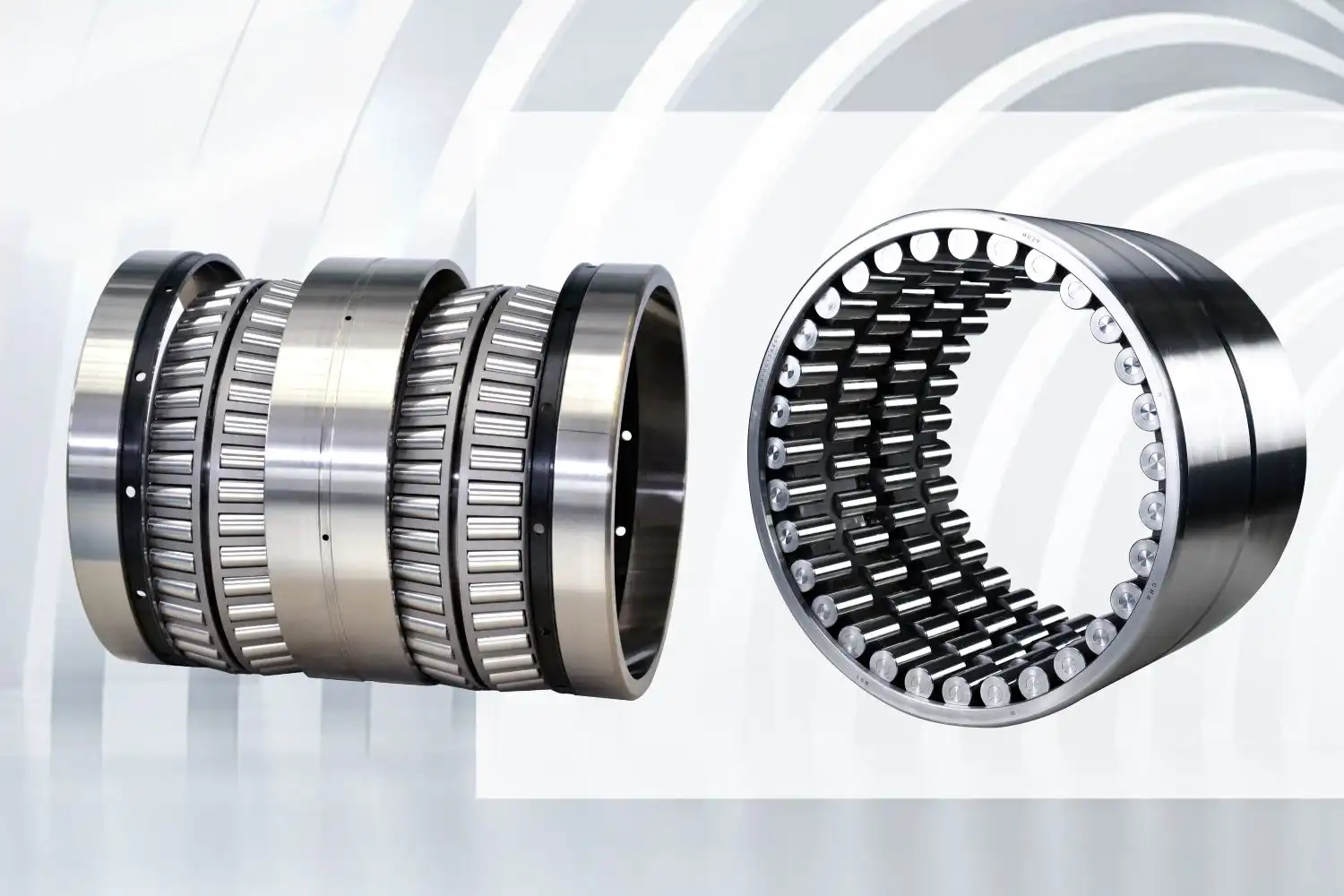
When selecting bearings for heavy load applications, engineers face a critical decision between four row tapered roller bearing designs and traditional cylindrical options. Four Row Tapered Roller Bearing technology delivers superior radial and axial load capacity, making them ideal for demanding industrial environments. These precision-engineered components handle loads three times heavier than single-row alternatives while maintaining optimal performance in rolling mills and heavy machinery. The tapered design provides exceptional load distribution across multiple contact points, ensuring reliable operation under extreme conditions that would overwhelm conventional cylindrical bearings.
Understanding Four Row Tapered Roller Bearing Technology
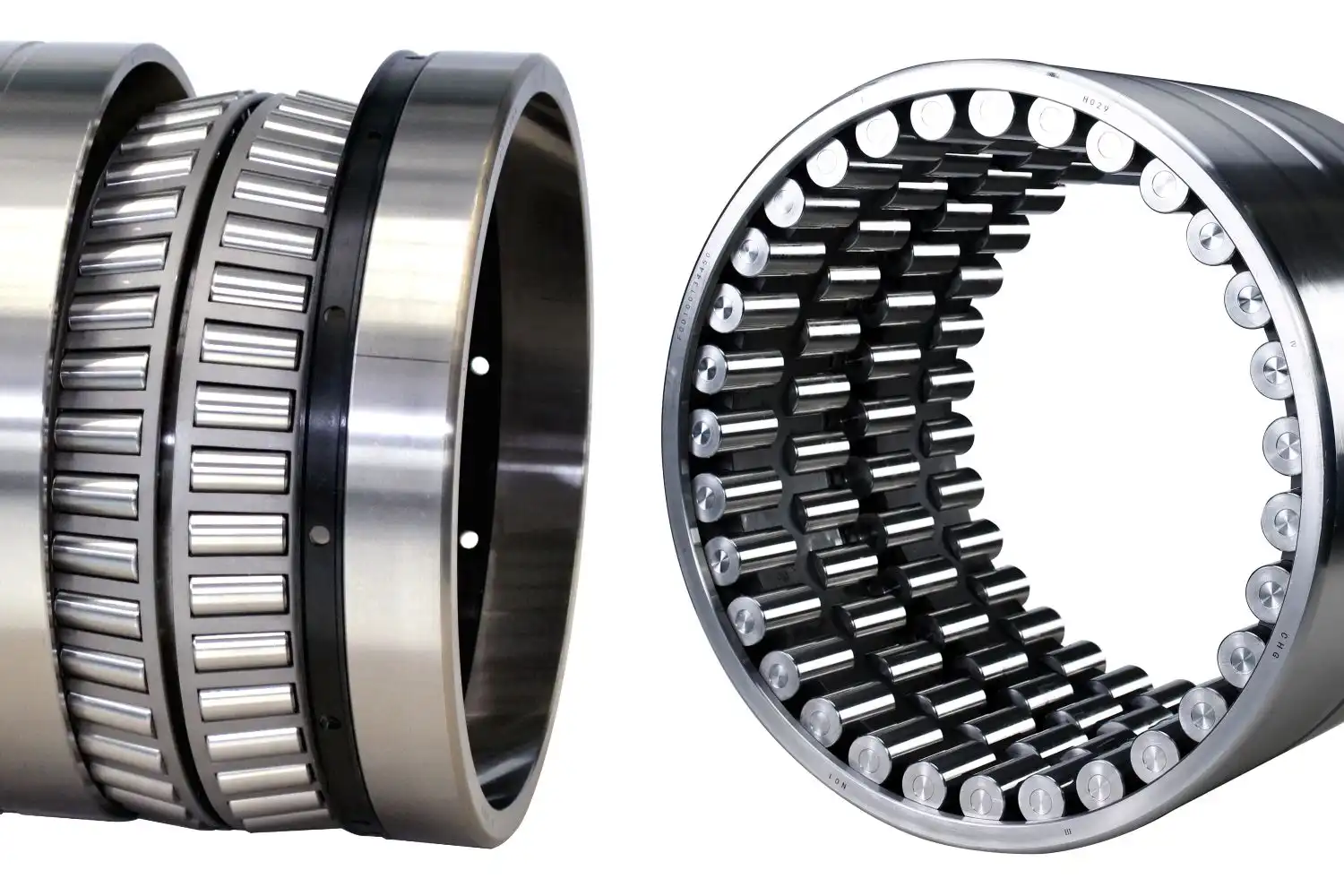
The engineering behind four row tapered roller bearings represents a significant advancement in heavy-duty bearing design. Unlike cylindrical bearings that rely on line contact, these specialized components utilize four distinct rows of tapered rolling elements. This configuration creates multiple load paths that distribute forces more effectively across the bearing structure.
Each tapered roller operates at a precise angle, allowing the bearing to accommodate both radial and axial loads simultaneously. The geometry ensures that load distribution remains uniform even under extreme operating conditions. This design philosophy results in enhanced shaft support and extended bearing life span compared to traditional alternatives.
At Huigong, our engineering team has perfected this technology through decades of research and development. We manufacture these bearings with inner diameters ranging from 120mm to 1,320mm, utilizing premium materials including GCr15, GCr15SiMn, and G20Cr2Ni4A steel grades. Our precision bearing manufacturing processes ensure dimensional accuracy and performance consistency across all size ranges.
Cylindrical Bearings: Strengths and Limitations
Cylindrical roller bearings excel in applications requiring high radial load capacity with minimal axial load requirements. These bearings feature rollers with uniform diameter throughout their length, creating line contact with the raceways. This design provides excellent radial rigidity and can accommodate shaft misalignment tolerance effectively.
However, cylindrical bearings face significant limitations in heavy load scenarios. They cannot handle substantial axial forces without additional thrust bearings. The line contact pattern, while beneficial for radial loads, creates stress concentrations that limit overall load capacity. In demanding industrial applications, this restriction often necessitates complex bearing arrangements.
The bearing maintenance requirements for cylindrical designs also differ significantly. While they may seem simpler initially, the need for separate thrust bearings increases system complexity. This complexity translates to higher installation costs and more frequent maintenance intervals in heavy machinery applications.
Performance Comparison in Heavy Load Applications
When examining high load capacity performance, four row tapered roller bearings demonstrate clear advantages over cylindrical alternatives. The tapered design creates point contact that distributes loads across a larger surface area. This distribution reduces stress concentrations and extends operational life significantly.
Industrial machinery operating under heavy loads benefits from the superior axial rigidity provided by tapered roller configurations. The bearing alignment characteristics remain stable even as loads fluctuate during operation. This stability prevents premature failure and reduces unplanned downtime in critical applications.
Durable bearing design principles favor the four-row tapered approach for several reasons. The sealed bearing options available with tapered rollers provide enhanced protection against contamination. The tapered roller cage design accommodates thermal expansion more effectively than rigid cylindrical arrangements. These factors contribute to measurably longer service intervals and reduced total cost of ownership.
Core Applications and Use Cases
Rolling Mill Operations
Rolling mills represent the most demanding application for heavy-duty bearings. Four row tapered roller bearings excel in work roll and backup roll positions where massive forces compress steel billets into finished products. The bearings must withstand radial loads exceeding several hundred tons while accommodating thermal expansion from heated materials.
Hot rolling mills particularly benefit from the superior load distribution capabilities. The bearing lubrication systems work more effectively with tapered designs due to better oil flow characteristics. This improved lubrication reduces bearing noise reduction requirements and extends operational periods between maintenance shutdowns.
Steel Manufacturing Equipment
Blast furnaces and continuous casting machines rely on precision bearing performance for consistent product quality. The shaft support provided by four row tapered bearings maintains critical alignment tolerances even under extreme temperature variations. This alignment stability directly impacts product dimensional accuracy and surface finish quality.
Steel manufacturing environments present unique challenges, including contamination from scale and process chemicals. The sealed bearing configurations available with four row designs provide enhanced protection compared to cylindrical alternatives. This protection translates to fewer bearing failure analysis incidents and reduced maintenance costs.
Large Rotating Equipment
Power generation turbines and large industrial fans require bearings capable of supporting massive rotors while maintaining precise alignment. Four row tapered roller bearings provide the necessary rigidity to prevent rotor sag while accommodating thermal growth during startup and shutdown cycles.
The high-speed bearing capabilities of modern tapered roller designs enable these applications to operate at optimal efficiency levels. The reduced friction characteristics compared to multiple cylindrical bearing arrangements translate to measurable energy savings over the equipment's lifespan.
Mining and Mineral Processing
Jaw crushers, cone crushers, and ball mills subject bearings to shock loads and continuous heavy-duty operation. Four row tapered roller bearings absorb these impact forces more effectively than cylindrical designs. The rolling element bearing configuration distributes shock energy across multiple load paths, preventing premature failure.
Mining equipment often operates in remote locations where bearing replacement involves high costs and downtime. The extended bearing life span achieved with four row tapered designs reduces the frequency of these expensive interventions. This reliability advantage makes them the preferred choice for critical mining applications.
Marine Propulsion Systems
Large vessel propeller shafts generate substantial thrust loads that challenge conventional bearing systems. Four row tapered roller bearings handle these axial forces while supporting the radial loads from shaft weight and hydrodynamic forces. The bearing alignment remains stable even under varying sea conditions.
Marine environments demand exceptional corrosion resistance and reliable sealing. Four row tapered bearings offer superior protection against saltwater intrusion compared to cylindrical alternatives. This protection ensures reliable operation throughout extended voyages without maintenance access.
Wind Turbine Applications
Wind turbine main shaft bearings must support rotor weight while accommodating variable loads from changing wind conditions. Four row tapered roller bearings provide the necessary load distribution to handle these complex force combinations. The precision bearing manufacturing required for these applications demands tight dimensional tolerances.
The bearing maintenance requirements for offshore wind installations make reliability paramount. Four row tapered designs offer extended service intervals that reduce costly maintenance operations. This advantage becomes critical when considering the logistical challenges of offshore bearing replacement.
Heavy Construction Equipment
Excavators, large cranes, and earthmoving equipment rely on robust bearing systems for swing mechanisms and boom pivots. Four row tapered roller bearings accommodate the complex loading patterns while providing smooth operation under varying conditions. The shock resistance inherent in the tapered design prevents failure during demanding construction operations.
Material and Manufacturing Excellence at Huigong
Our commitment to quality begins with material selection and extends through every manufacturing process. We utilize premium bearing steels, including GCr15 for standard applications and specialized grades like G20Cr2Ni4A for extreme conditions. Each material undergoes rigorous testing to ensure optimal metallurgical properties.
The manufacturing facility at Huigong spans 39,330 square meters and houses over 150 sets of precision production equipment. Our quality control systems include coordinate measuring machines, metallographic microscopes, and specialized bearing testing equipment. This comprehensive testing ensures that every four row tapered roller bearing meets stringent performance standards.
Our engineering team holds over 50 invention patents related to bearing design and manufacturing processes. These innovations contribute to the superior performance characteristics that distinguish our products in demanding applications. The continuous investment in research and development ensures that our bearings incorporate the latest technological advances.
Installation and Maintenance Considerations
Proper installation techniques maximize the performance potential of four row tapered roller bearings. The clearance fit design facilitates mounting and dismounting procedures compared to the interference fits required by some cylindrical bearings. This design simplifies maintenance operations and reduces the risk of installation damage.
Bearing lubrication systems require careful consideration of oil flow patterns and contamination protection. Four row tapered bearings accommodate various lubrication methods, including oil bath, forced circulation, and grease systems. The tapered roller cage design promotes effective lubricant distribution throughout the bearing structure.
Monitoring systems can detect developing issues before catastrophic failure occurs. Vibration analysis and temperature monitoring provide early warning signs of bearing deterioration. The predictable failure modes of four row tapered bearings enable effective condition monitoring compared to more complex cylindrical bearing arrangements.
Cost-Benefit Analysis for Industrial Operations
While four row tapered roller bearings may require a higher initial investment compared to cylindrical alternatives, the total cost of ownership typically favors the tapered design. Extended service life reduces bearing replacement frequency and associated downtime costs. The superior load handling capability often eliminates the need for additional support bearings.
Energy efficiency considerations also favor four row tapered bearings in many applications. Reduced friction characteristics translate to lower power consumption over the equipment's lifespan. These energy savings can be substantial in continuous operation scenarios such as steel mills and mining operations.
The simplified bearing arrangements possible with four row designs reduce system complexity and maintenance requirements. Fewer components mean fewer potential failure points and reduced spare parts inventory. These factors contribute to lower operational costs and improved equipment availability.
Future Developments in Heavy Load-Bearing Technology
Advanced materials research continues to push the boundaries of bearing performance. Ceramic rolling elements and advanced steel treatments promise even greater load capacity and extended service life. Huigong actively participates in these developments to ensure our products remain at the technology forefront.
Smart bearing technologies incorporating sensors and wireless communication will revolutionize maintenance practices. These systems will provide real-time performance data and predictive maintenance capabilities. The integration of these technologies with four row tapered roller bearing designs will further enhance their advantages in heavy-load applications.
Environmental considerations drive the development of more sustainable bearing solutions. Improved lubrication systems and advanced sealing technologies reduce environmental impact while enhancing performance. These developments align with global efforts to improve industrial sustainability.
Conclusion
The choice between four row tapered roller bearings and cylindrical designs ultimately depends on application requirements and performance priorities. Heavy load applications consistently benefit from the superior load handling capabilities and simplified system design offered by four-row tapered bearings. The initial investment in quality bearing technology delivers substantial returns through extended service life, reduced maintenance costs, and improved equipment reliability. As industrial operations continue demanding greater performance and efficiency, four row tapered roller bearings represent the optimal solution for critical heavy-duty applications.
FAQ
Q1: What makes four row tapered roller bearings superior to cylindrical bearings for heavy loads?
A: Four row tapered roller bearings provide three times the radial load capacity of single-row designs and can handle significant axial loads in both directions. The tapered geometry creates better load distribution across multiple contact points, while cylindrical bearings are limited to radial loads only and require additional thrust bearings for axial support.
Q2: How do maintenance requirements compare between these bearing types?
A: Four row tapered roller bearings typically require less frequent maintenance due to their robust design and superior load distribution. The clearance fit installation allows easier mounting and dismounting compared to the interference fits often required by cylindrical bearings. The integrated design also eliminates the complexity of separate thrust bearing systems.
Q3: What size range is available for four row tapered roller bearings?
A: At Huigong, we manufacture four row tapered roller bearings with inner diameters ranging from 120mm to 1,320mm. This extensive size range covers most heavy industrial applications, from moderate-sized equipment to the largest rolling mills and industrial machinery. Custom sizes can be developed for specific application requirements.
Partner with Huigong for Superior Four Row Tapered Roller Bearing Solutions
Selecting the right bearing manufacturer can determine the success of your heavy load applications. Huigong brings over 25 years of specialized experience in developing precision bearings for the most demanding industrial environments. Our proven track record with major steel mills, mining operations, and heavy machinery manufacturers demonstrates our commitment to excellence.
As a leading four row tapered roller bearing supplier, we maintain comprehensive inventory levels to support urgent replacement needs. Our engineering team provides technical support throughout the selection process, ensuring optimal bearing specifications for your specific application requirements. The combination of advanced manufacturing capabilities and responsive customer service sets Huigong apart from conventional bearing suppliers.
Our quality certifications, including ISO9001 and ISO14001, provide assurance that every bearing meets international standards. The 50+ patents held by our engineering team reflect ongoing innovation in bearing technology. When you choose Huigong, you gain access to cutting-edge bearing solutions backed by decades of industrial experience.
Ready to improve your heavy machinery performance with superior bearing technology? Our technical specialists can analyze your current bearing challenges and recommend optimal four row tapered roller bearing solutions. Contact us at sale@chg-bearing.com to discuss your specific requirements and discover how our advanced bearing technology can enhance your operational reliability.
References
1. Harris, Tedric A., and Michael N. Kotzalas. "Advanced Concepts of Bearing Technology: Rolling Bearing Analysis." 5th Edition, Taylor & Francis, 2007.
2. ISO 281:2007, "Rolling Bearings - Dynamic Load Ratings and Rating Life." International Organization for Standardization, Geneva, 2007.
3. Hamrock, Bernard J., and William J. Anderson. "Rolling-Element Bearings." NASA Reference Publication 1105, Lewis Research Center, 1983.
4. Jones, A.B. "A General Theory for Elastically Constrained Ball and Radial Roller Bearings Under Arbitrary Load and Speed Conditions." Journal of Basic Engineering, Transactions of the ASME, 1960.
5. Warda, Bogdan, and Lech Chudzik. "Effect of Ring Misalignment on the Fatigue Life of the Radial Cylindrical Roller Bearing." Materials Science and Engineering, Vol. 263, 2017.
6. SKF Group. "Rolling Bearings Catalogue: General Catalogue 17000 EN." SKF Svenska Kullagerfabriken AB, Gothenburg, Sweden, 2018.