

Precision Engineering with Single Row Tapered Roller Bearings
When it comes to precision engineering, single-row tapered roller bearing sets are some of the most useful and reliable parts. With their exceptional performance in harsh conditions, these complex mechanical parts are the backbone of heavy industrial processes. The special tapered shape of these bearings makes it possible for better load distribution in both the radial and axial planes. This makes them a must-have for engineers who want to ensure long-term operating excellence. Because they are made of strong materials and use advanced metallurgy, they always work well in tough environments, like steel mills and car factories, where precision and durability are important.
Understanding Single Row Tapered Roller Bearings
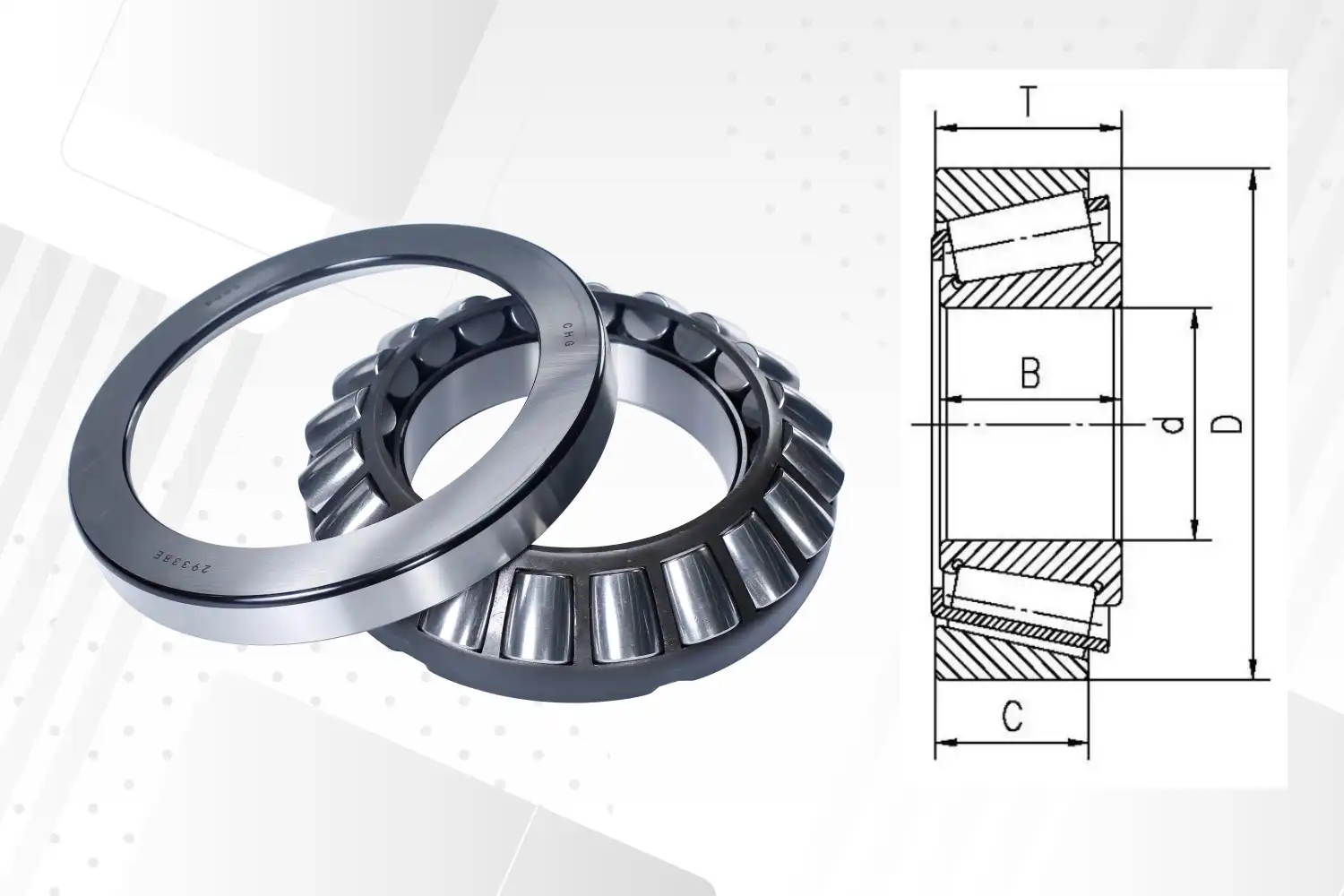
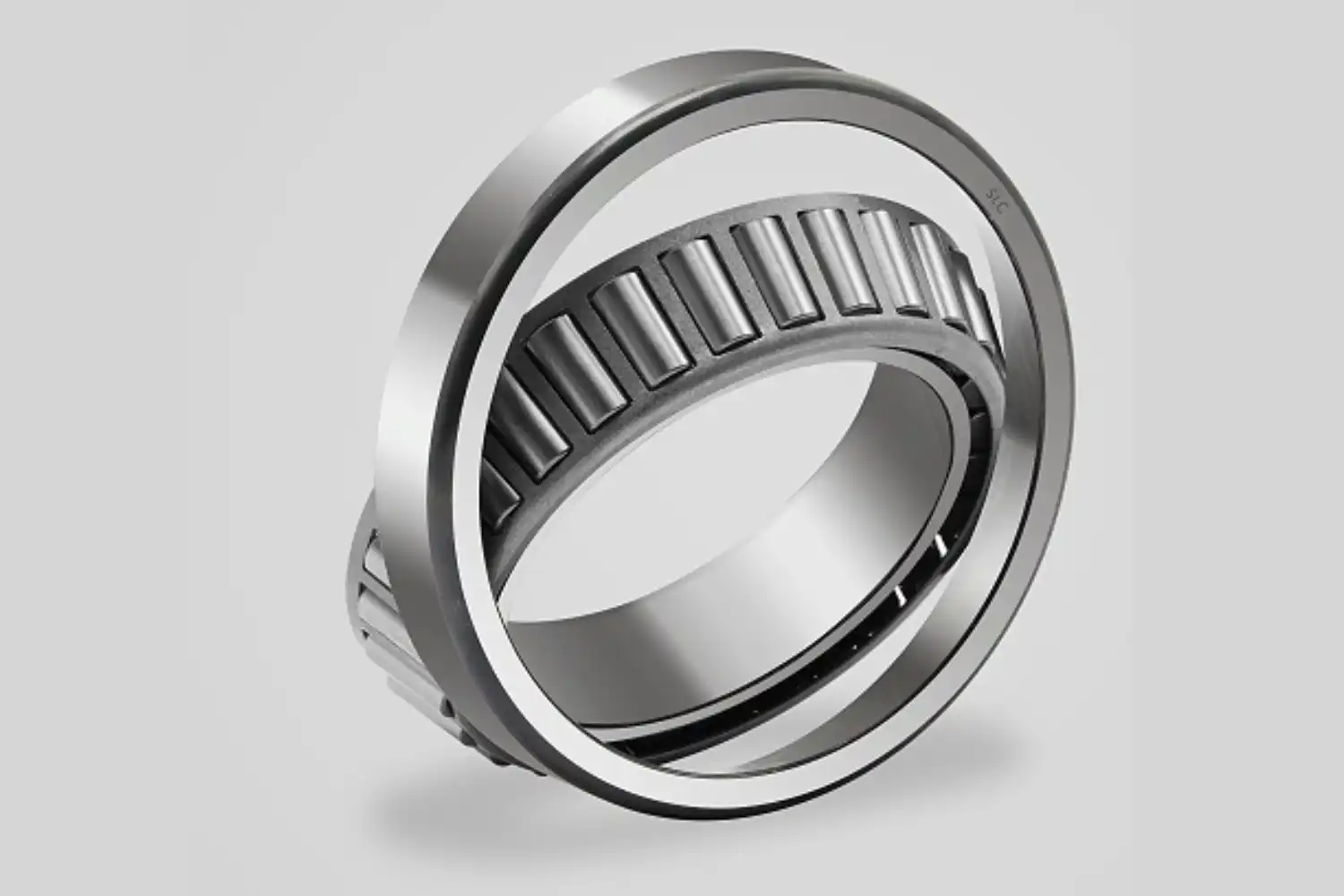
Single-row tapered roller bearings are important parts of precision engineering. They are different from other bearings because their tapered shape can handle both axial and radial loads. A complex structure has a group of curved rollers placed between an inner cone raceway and an outer cup raceway. This creates the best load distribution pattern, which boosts mechanical efficiency in tough industrial settings.
Design, Architecture, and Load Distribution Principles
A complex geometric arrangement is what makes tapered roller bearing systems such a great technical feat. The rollers have a carefully measured taper angle, which is usually between 10 and 30 degrees. This makes them better at handling combined loads than other types of bearings. All load directions in this design meet at one point along the bearing axis, distributing stress evenly across the contact surfaces. The tapered geometry offers a special benefit in situations where both radial and thrust loads happen at the same time. When radial forces are applied to a bearing, it instantly creates internal axial forces that help keep the rollers in the right place and stop the bearing from skidding. This self-aligning feature cuts down on wear patterns and greatly increases the operating lifetime.
Material Composition and Manufacturing Excellence
CHG Bearing uses high-quality materials like GCr15, GCr15SiMn, and G20Cr2Ni4A steel alloys to make sure that their products last as long as possible and work as well as possible. Specialised heat treatments are used to make these hardened bearing steels as hard as they need to be while keeping their shape even when the temperature changes. The GCr15 material is very resistant to fatigue, and the GCr15SiMn version is better at hardening for larger bearing sizes. The process of making them uses advanced precision machining methods that keep tolerances to a few micrometres. Each roller is checked one at a time to make sure it has a perfect spherical shape and a good surface finish. Specialised grinding processes are used to make the track surfaces as smooth as mirrors. This lowers the friction coefficients and heat production during operation.
Size Range and Technical Specifications
CHG Bearing makes single-row tapered roller bearings with inner diameters ranging from 150mm to 950mm. These are used in large-scale industrial settings that need strong load-carrying ability. This wide range of sizes makes sure that the bearings can be used with heavy machinery, rolling mill equipment, and large power transmission systems that are popular in mining and metallurgy. The bearings have variable tapered angles that are best for different load conditions. Standard configurations are best for radial loads with moderate axial loads, while large-angle versions (27°-30°) work best for situations where axial forces are the main force. Because of this, engineers can choose the best bearing designs based on the exact needs of the application.
Key Applications and Performance Metrics
The broad industrial spectrum where single row tapered roller bearings excel encompasses heavy machinery, automotive systems, aerospace applications, and material handling equipment. These bearings demonstrate exceptional performance in environments where reliability and precision remain paramount concerns for operational success.
Industrial Applications and Real-World Performance
Heavy machinery, automotive systems, aerospace uses, and material handling equipment are just some of the many industries in which single row tapered roller bearings work well. These bearings work very well in places where accuracy and dependability are still very important for operations to go smoothly.
Performance Metrics and Operational Parameters
These bearings support important tools in metallurgical processes, like blast furnaces, continuous casting systems, and rolling mill assemblies. Because they can handle high temperatures, dirt, and shock loads, these bearings are perfect for steel factories where broken equipment can cause big losses in production. In the automotive industry, they are used in rear axle hubs, differential assemblies, and gearbox systems where long life and smooth power transfer are important. The bearings are good at handling the complicated load patterns that come up when a vehicle is moving, like cornering forces, braking loads, and acceleration stresses. Large machine tool spindles depend on these bearings to keep their precise positioning while supporting cutting forces and rotational loads. The high rigidity and low runout make sure that the quality of the machining is always the same, and the tools last longer in precision production tasks.
Maintenance Strategies and Longevity Enhancement
In industrial settings, load capacity is the most important success metric. By using advanced material selection and optimised roller profiles, CHG Bearing designs are able to achieve dynamic load rates that are higher than industry standards. The bearings have a very long fatigue life when loaded and unloaded many times, with calculated L10 life ratings that go beyond 100,000 hours in well-maintained installations. Temperature performance is still very important for reliable ongoing operation. Under normal circumstances, these bearings stay the same size and keep lubricating well in temperatures ranging from -40°C to +120°C. When used with the right synthetic lubricants, special high-temperature configurations can work well up to +200°C. For precision-grade bearings, rotational accuracy requirements include radial runout tolerances of less than 5 micrometres. This level of accuracy makes sure that the machine runs smoothly at high speeds and doesn't send vibrations to other parts of the machine.
Comparing Single Row Tapered Roller Bearings With Other Bearing Types
Understanding how single-row tapered roller bearings compare to alternative bearing technologies enables informed procurement decisions that optimise performance while managing costs effectively. Each bearing type offers distinct advantages depending on application requirements, load conditions, and operational environments.
Performance Comparison with Ball Bearings
Ball bearings excel in high-speed applications with lighter loads but cannot match the load-carrying capacity of tapered roller configurations. While ball bearings generate lower friction at high speeds, they lack the robust construction necessary for heavy industrial applications. The point contact design of ball bearings creates higher stress concentrations compared to the line contact achieved by tapered rollers, resulting in reduced load capacity and shorter service life under heavy-duty conditions. Tapered roller bearings demonstrate superior performance in applications involving combined radial and axial loads. The ability to handle thrust loads without requiring separate bearing assemblies simplifies equipment design and reduces overall system complexity.
Advantages Over Cylindrical and Needle Roller Bearings
Cylindrical roller bearings can handle circular loads very well, but they can't handle axial loads without extra thrust bearings. In situations where combined loading happens, this limitation makes the system more complicated and requires more upkeep. Although needle roller bearings are small, they are not durable enough for heavy-duty use all the time. Tapered roller bearings are easier to install and maintain than non-separable options because they can be taken apart. Being able to change cups and cones one at a time lowers maintenance costs and the amount of spare parts that need to be kept on hand.
Double Row Tapered Roller Bearing Considerations
Double row designs can hold more weight and don't need to have the bearing preload adjusted, but they need to be installed more precisely. Designs with only one row give you more options for how to hang them and make replacing them easier. Whether to use a single or double row configuration relies on available space, load needs, and ease of maintenance. A study of costs shows that single row tapered roller bearings are usually the best choice when their load capacity meets the needs. The possible benefits of more complex bearing arrangements are cancelled out by the simpler design and lower initial cost.
Brand and Supplier Analysis
There are well-known companies like SKF, Timken, FAG, and NSK in the global bearing market. Each has its own benefits when it comes to product range, technical support, and where the bearings can be bought. CHG Bearing stands out because it has a lot of experience with large-scale industrial applications and can make engineering solutions that fit the needs of any business. Quality comparisons should look at more than just the product's original specs. They should also look at how single-row tapered roller bearing well it works over time, how easy it is to get technical help, and how easy it is to get spare parts. CHG Bearing keeps up-to-date on all of its quality certifications and offers a lot of technical information to help customers make smart buying choices.
Procurement Strategies for Single Row Tapered Roller Bearings
Effective procurement strategies require a comprehensive evaluation of application requirements, supplier capabilities, and total cost of ownership considerations. Strategic sourcing approaches optimise both initial acquisition costs and long-term operational expenses through careful supplier selection and specification optimisation.
Specification Evaluation and Technical Requirements
Proper bearing specification begins with a thorough analysis of operating conditions, including load magnitudes, speed ranges, temperature extremes, and environmental factors. Engineers must consider both steady-state and transient loading conditions to ensure adequate safety margins while avoiding over-specification that increases unnecessary costs.CHG Bearing technical specialists provide application engineering support that optimises bearing selection for specific operational requirements. This collaborative approach ensures that selected bearings deliver optimal performance while minimizing total cost of ownership through extended service life and reduced maintenance requirements.
Supplier Certification and Quality Assurance
Reputable suppliers maintain comprehensive quality management systems that ensure consistent product quality and performance. CHG Bearing holds ISO 9001:2015 certification and maintains additional industry-specific certifications that demonstrate a commitment to quality excellence. Supplier audits should verify manufacturing capabilities, quality control procedures, and traceability systems that ensure product authenticity. Testing protocols should include dimensional verification, material composition analysis, and performance validation under simulated operating conditions. CHG Bearing maintains extensive testing facilities that verify product specifications and provide performance data supporting application engineering decisions.
Customisation Options and Engineering Support
Many industrial applications require bearing modifications or custom designs to optimise performance or accommodate unique mounting requirements. CHG Bearing offers comprehensive customisation services, including special materials, modified geometries, and integrated sealing solutions tailored to specific application needs. The engineering support process includes application analysis, bearing selection optimisation, and installation guidance that ensures successful implementation. Custom engineering solutions can provide significant performance advantages in demanding applications where standard products may not achieve optimal results.
Bulk Ordering and Inventory Management
Large-scale operations benefit from strategic inventory management that balances carrying costs against availability requirements. Bulk ordering arrangements can provide significant cost savings while ensuring adequate spare parts availability for planned maintenance activities.CHG Bearing offers flexible delivery schedules and consignment inventory programs that optimise cash flow while maintaining operational readiness. Strategic partnerships can include vendor-managed inventory systems that automatically replenish bearing stocks based on consumption patterns and lead time requirements.
Building Trust and Ensuring Success in Your Bearing Applications
Establishing trust through consistent quality delivery and comprehensive support services forms the foundation for successful long-term partnerships in precision bearing applications. Product authenticity verification and performance validation provide confidence that investments in bearing technology will deliver expected returns through reliable operation and extended service life.
Quality Standards and Certification Verification
CHG Bearing has strict quality control standards that go above and beyond what the industry needs in terms of accuracy in measurements, material traits, and performance. Statistical sampling and 100% inspection of key parameters that affect operational performance are used in comprehensive testing protocols to make sure that bearing specifications are met. Traceability systems keep track of the history of bearing production from the receipt of raw materials to final inspection and shipping. This paperwork proves that the product is real and helps with any warranty claims or performance reviews that might come up during the product's service life.
Performance Validation and Testing Protocols
A lot of tests are done to make sure that bearings work well in simulated operating situations that are similar to real application environments. Accelerated life testing gives statistical confidence to calculations of how long a bearing will last and finds possible failure modes that could affect operational reliability. CHG Bearing testing facilities have vibration analysis equipment, thermal cycling chambers, and contamination simulation systems that test bearing performance in harsh conditions that are common in industrial settings.
Warranty Assurance and Risk Mitigation
Comprehensive warranty plans protect the money you spend on equipment and give you peace of mind about its reliability and consistent performance. The CHG Bearing warranty covers problems with the way the bearing was made, problems with the materials, and premature wear under normal operating conditions that were specified during application engineering. Strategies for reducing risk include advice on preventive maintenance, suggestions for condition monitoring, and emergency replacement procedures that keep operations running as smoothly as possible in case a bearing fails unexpectedly.
Case Studies and Operational Success Examples
Validation of real-world single-row tapered roller bearing performance shows that CHG Bearing solutions work well in tough industry settings. A big steel company increased the life of its rolling mill bearings by 40% by following the advice of CHG technical experts on how to choose the right bearings and lubricate them better. Mining equipment makers say that using CHG tapered roller bearings in crushers has cut down on maintenance costs and unplanned downtime by a large amount. The better resistance to wear and contamination means steady performance in harsh working conditions that are common in mining operations.
Conclusion
Single row tapered roller bearings are very important in precision engineering tasks that need to be reliable, last a long time, and consistently work well. The special features of the design make it possible to handle radial and axial loads effectively while keeping working efficiency in a wide range of industrial settings. CHG Bearing's experience making a lot of bearings, along with their full range of technical help and quality assurance programs, makes it possible for their products to work well in tough operational environments. Strategic methods to buying things that look at the total cost of ownership, the abilities of the supplier, and the needs of the application make sure that the best bearings are chosen, which improves the performance of the equipment and lowers its lifecycle costs.
FAQ
1. What load capacity advantages do tapered roller bearings offer compared to ball bearings?
Tapered roller bearings provide significantly higher load capacity than ball bearings due to their line contact design versus point contact configuration. The tapered geometry enables effective distribution of both radial and axial loads simultaneously, while ball bearings primarily handle radial loads with limited thrust capability. CHG Bearing designs typically achieve 30-50% higher dynamic load ratings compared to equivalent-sized ball bearings.
2. How do environmental conditions affect bearing performance and selection?
Environmental factors, including temperature extremes, contamination levels, and moisture exposure, significantly impact bearing performance and longevity. CHG Bearing materials and sealing options are selected based on specific environmental conditions to ensure optimal performance. Temperature ranges, corrosive atmospheres, and abrasive contaminants all influence bearing design requirements and maintenance intervals.
3. What maintenance intervals maximise bearing service life?
Optimal maintenance intervals depend on operating conditions, load factors, and environmental exposure, but typically range from 2,000 to 8,000 operating hours for lubrication services. CHG Bearing recommends condition-based maintenance programs that monitor vibration levels, temperature trends, and lubricant condition to optimise maintenance timing while preventing premature failures.
4. Are custom bearing modifications available for specialised applications?
CHG Bearing offers extensive customisation capabilities, including modified geometries, special materials, integrated sealing systems, and application-specific features. Custom engineering solutions address unique operational requirements that standard bearings cannot accommodate effectively. The 30-year manufacturing experience enables complex modifications while maintaining quality and performance standards.
5. How can bearing authenticity and quality be verified upon delivery?
Authentic CHG Bearing products include comprehensive documentation packages with material certifications, dimensional inspection reports, and traceability codes that verify manufacturing origin. Each bearing includes permanent identification markings that correspond to quality control records maintained in CHG databases. Visual inspection guidelines help identify potential counterfeit products that may compromise operational safety.
Partner with CHG Bearing for Premium Industrial Bearing Solutions
CHG Bearing stands ready to support your precision engineering single-row tapered roller bearing requirements with premium single-row tapered roller bearing solutions designed for demanding industrial applications. Our 30 years of manufacturing expertise, combined with comprehensive customisation capabilities and rigorous quality standards, ensure optimal performance in your critical equipment. As a trusted bearing supplier, we provide technical engineering support, competitive pricing, and reliable delivery schedules that meet your operational requirements. Contact our technical specialists at sale@chg-bearing.com to discuss your specific bearing requirements and discover how CHG Bearing solutions can enhance your equipment performance and operational reliability.
References
1. Harris, T.A. and Kotzalas, M.N. "Advanced Concepts of Bearing Technology: Rolling Bearing Analysis, Fifth Edition." CRC Press, 2007.
2. Hamrock, B.J., Schmid, S.R., and Jacobson, B.O. "Fundamentals of Fluid Film Lubrication, Second Edition." Marcel Dekker, 2004.
3. ISO 281:2007. "Rolling bearings - Dynamic load ratings and rating life." International Organization for Standardization.
4. Palmgren, A. "Ball and Roller Bearing Engineering, Third Edition." SKF Industries Inc., 1959.
5. Tallian, T.E. "Failure Atlas for Hertz Contact Machine Elements, Second Edition." ASME Press, 1999.
6. Zaretsky, E.V. "Rolling Bearing Life Prediction, Theory, and Application." NASA Technical Publication, 2013.