

High‑Rigidity Double Row Tapered Roller Bearings Explained
High-rigidity double row tapered roller bearings are high-tech engineering options made to handle the toughest industrial conditions. Two rows of tapered rollers are situated within a single assembly in these specialised parts, which makes them very good at carrying loads for big machinery uses. Standard single-row tapered roller bearings can't handle axial and radial loads as well as double-row tapered roller bearings can. This makes them essential for important industrial tasks. Their higher stiffness means that they don't deform much when heavy loads are put on them. This makes sure that they work at their best in harsh settings where accuracy and dependability can't be compromised.
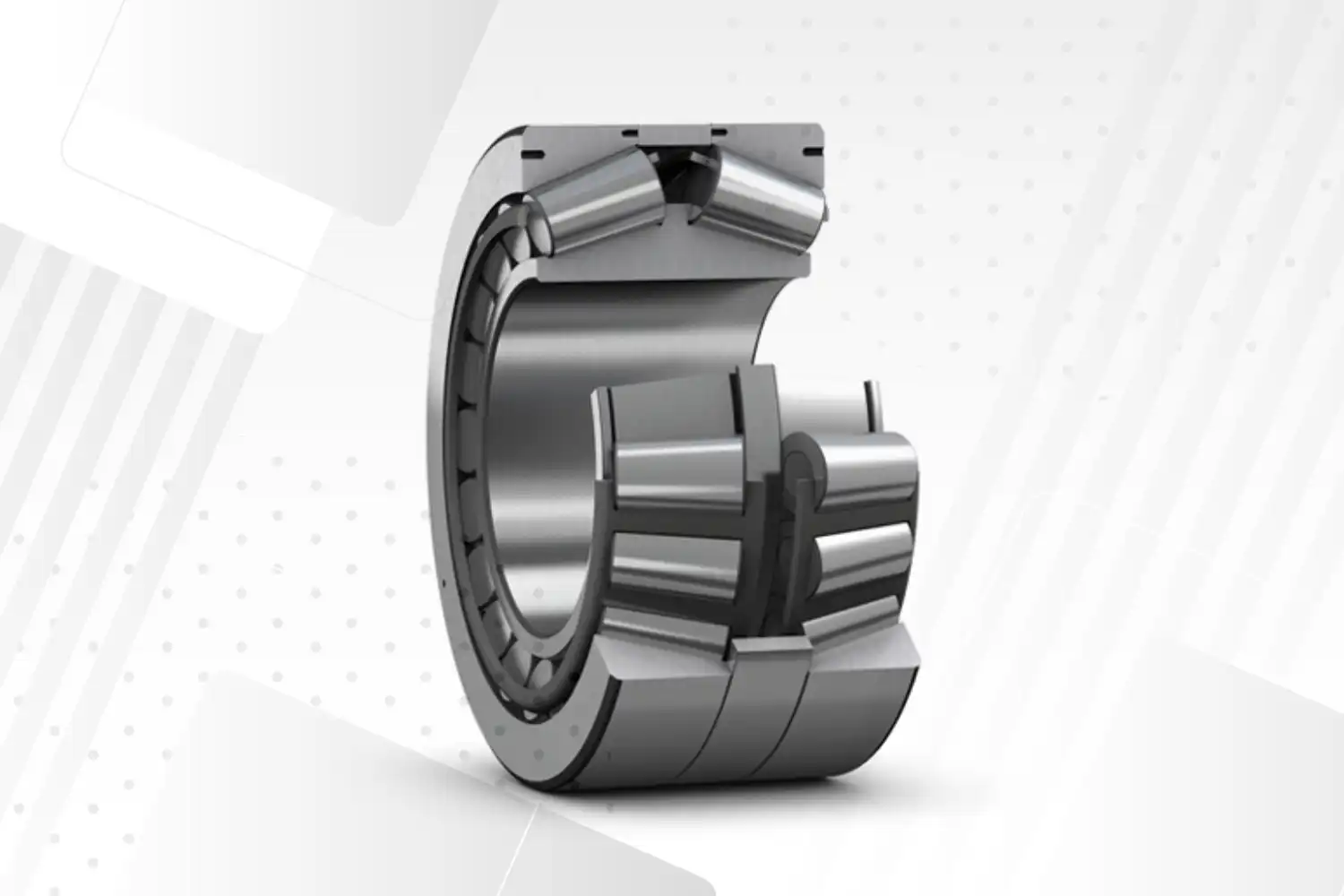
Understanding Double Row Tapered Roller Bearings
Double row tapered roller bearings have two rows of tapered rollers inside a single bearing assembly. This makes them able to hold more weight than single-row models. Because of how they are made, they can handle both axial and radial forces at the same time. This means they can handle heavy loads and difficult working conditions.
Construction and Design Principles
Carefully designed tapered rollers are arranged in two rows that run parallel to each other. This is how these bearings work. Each roller stays in touch with carefully made raceways that spread the load over a larger area. This arrangement makes a convergence point along the central axis of the bearing, which improves the way loads are distributed and the structure's general strength. High-rigidity models are different because they are made with advanced materials, exact geometry, and manufacturing methods that make them stiffer and last longer. Most of the time, premium steel alloys like GCr15, GCr15SiMn, and G20Cr2Ni4A are used in the bearings. These materials are very strong and don't wear down easily, even in harsh circumstances.
Load Distribution Characteristics
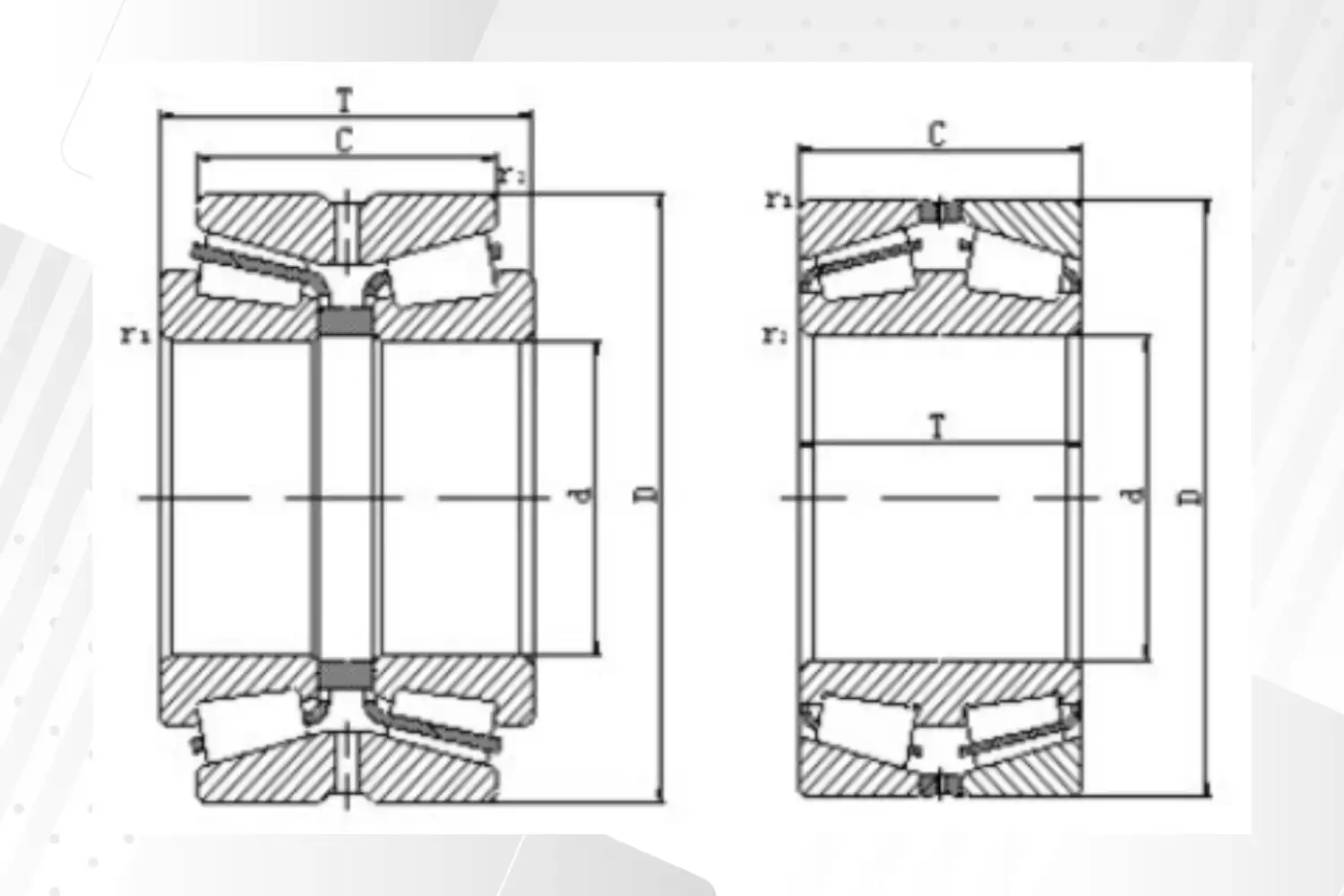
Visualising the bearing's cross-section helps you understand how the load is distributed and what the design strength is, which is still the most important thing for engineering and purchase reviews. The arrangement of tapered rollers makes the best contact angles, which move both radial and thrust loads through the bearing structure effectively. Because it can handle two loads at once, it often doesn't need two different thrust bearings. This makes machine design easier and increases reliability.
Advantages and Applications of High-Rigidity Double Row Tapered Roller Bearings
High-rigidity double row tapered roller bearings provide superior load capacity and rigidity relative to ball, cylindrical, and spherical roller bearings. Their robust construction translates into longer service life and reduced maintenance frequency, critical factors for industrial uptime and cost efficiency.
Primary Performance Benefits
The core advantages of high-rigidity double row tapered roller bearings stem from their advanced engineering design. These benefits directly address common challenges faced in heavy industrial applications:
- Enhanced Load Capacity: The dual-row configuration distributes loads across multiple contact points, significantly increasing overall bearing capacity compared to single-row alternatives
- Bidirectional Positioning: These bearings function as locating bearings, restricting axial displacement in both directions while maintaining precise shaft positioning
- Improved Stiffness: High-rigidity designs minimize deflection under heavy loads, maintaining equipment accuracy and extending component life
- Versatile Configuration Options: Available in TDO and TDI configurations to meet specific application requirements and load characteristics
These advantages effectively solve production problems related to equipment downtime, maintenance costs, and operational precision in demanding industrial environments.
Industrial Applications and Sectors
Heavy machinery, automotive axles, gearboxes, and building equipment all use these bearings. They are used in both the manufacturing and transportation businesses. For example, rolling mills, hoisting equipment, mining machines, and tunnelling machines all need high-performance bearings because they have to handle heavy loads and rough circumstances. These bearings can fit inner widths ranging from 150 mm to 1500 mm, which makes them good for big industrial equipment. This wide range of sizes makes sure that they work with a wide range of machine configurations and keep performance standards the same across all uses. Following the suggested upkeep procedures, like lubrication and regular checks, greatly increases the operational lifespan and makes sure that heavy-duty conditions don't affect performance. The worth of an investment is maximised when installation and maintenance procedures are followed correctly. Unexpected equipment failures are also minimised.
Comparing Double Row Tapered Roller Bearings With Alternatives
Performance comparisons reveal significant advantages when evaluating double row tapered roller bearings against alternative bearing technologies. Understanding these differences enables informed procurement decisions that optimize equipment performance and operational costs.
Performance Metrics and Comparisons
Although they cost a little more at first, double row tapered roller bearings are more rigid and can hold more weight than single row types. The investment was worth it because the improved performance qualities mean less maintenance is needed, and the service life is longer. They are better at handling mixed axial and radial loads with more accuracy than ball and cylindrical roller bearings. When it comes to big loads, alignment issues, or high speeds, high-precision double row bearings work better than angular contact and spherical bearings. The tapered roller design makes it easier to align and distribute loads, which improves machine precision and lowers vibration levels.
Procurement Considerations
When buying something, things like price, lead time, and the image of the brand all play a big role in choosing a supplier. OEMs and authorised distributors make sure of quality and availability, which is very important for global supply lines. When looking at the total cost of ownership instead of the initial purchase price, premium-bearing options often show that they are more cost-effective. Technical details like the type of material used, precise grades, and load ratings must match the needs of the product. Working with skilled suppliers makes sure that the right bearings are chosen and that the right application is given. This lowers the risk of failure or performance problems before they happen.
Source and Procure Double Row Tapered Roller Bearings Efficiently
Selecting the right supplier remains crucial for quality assurance, delivery reliability, and compliance with industry standards. Procurement specialists should evaluate certifications, manufacturing standards, and after-sales service capabilities when establishing supplier relationships.
Supplier Evaluation Criteria
The ability to manufacture and the quality control methods have a direct effect on how well and how reliably bearings work. Suppliers who have high-tech testing tools like coordinate measuring machines, metallographic microscopes, and friction torque testers show that they care about quality standards. Delivery times and the availability of unique solutions are affected by production capacity and technical know-how. Bulk purchases and custom orders often take advantage of negotiated prices and customised wait times, which help keep inventory and project schedules on track. When you form long-term relationships with qualified suppliers, you can get better prices, better technical support, and faster service during times of high demand.
Supply Chain Optimization
Shipping operations that you can count on, warranty coverage, double row tapered roller bearings, and quick customer service all make sure that procurement cycles go smoothly and there is little downtime. Standard and custom bearing solutions can be made available more often and with shorter wait times from global suppliers with established distribution networks. Business-to-business customers can get high-rigidity double row tapered roller bearings quickly and cheaply by working with experienced wholesalers who have a global reach. Offering full service, such as technical advice, help with installation, and support for upkeep, in addition to the bearing itself, adds value.
Conclusion
High-rigidity double row tapered roller bearings are necessary parts for heavy industrial uses that need to carry more weight and work reliably. Their advanced design features, such as their dual-row configuration and high-quality materials, make them work exceptionally well in tough conditions. By knowing the technical benefits, application needs, and buying factors, you can make smart choices that improve machine performance and lower operational costs. When you buy good bearing solutions, they pay for themselves by lasting longer, needing less upkeep, and making your machinery more reliable.
FAQ
1. What factors determine the load capacity of double-row tapered roller bearings?
Load capacity depends on several critical factors, including bearing size, material quality, internal geometry, and installation accuracy. The inner diameter range of 150mm to 1500mm accommodates various load requirements, while premium steel alloys like GCr15 and GCr15SiMn provide enhanced strength characteristics. Proper installation and alignment maximize load-carrying capabilities and ensure optimal performance.
2. How can operational lifespan be extended for these bearings?
Prolonging bearing life involves adherence to optimal maintenance protocols, including proper lubrication, environmental control, and periodic inspections. Regular monitoring of operating temperatures, vibration levels, and lubricant condition helps identify potential issues before they cause failures. Following manufacturer recommendations for installation procedures and operating parameters significantly extends service life.
3. What are the main differences between TDO and TDI bearing configurations?
TDO bearings perform similarly to two single-row tapered roller bearings mounted back-to-back, providing high load capacity and rigidity. TDI bearings feature cup spacers with adjustable clearance, making them suitable for roll neck applications with medium loads. The configuration choice depends on specific application requirements, load characteristics, and mounting constraints.
Partner with Huigong for Premium Double Row Tapered Roller Bearing Solutions
Huigong delivers exceptional double row tapered roller bearings engineered for demanding industrial applications. Our comprehensive product range features inner diameters from 150mm to 1500mm, manufactured using premium GCr15, GCr15SiMn, and G20Cr2Ni4A materials. With over 25 years of manufacturing expertise, we provide custom solutions for rolling mills, mining equipment, and heavy machinery applications. Our advanced production facilities and rigorous quality control processes ensure superior performance and reliability. Contact our technical team at sale@chg-bearing.com to discuss your specific requirements and discover why leading manufacturers choose Huigong as their trusted double row tapered roller bearing supplier.
References
1. Harris, Tedric A., and Michael N. Kotzalas. "Advanced Concepts of Bearing Technology: Rolling Bearing Analysis." CRC Press, 2006.
2. Hamrock, Bernard J., Bo Jacobson, and Steven R. Schmid. "Fundamentals of Machine Elements: Rolling Element Bearings." McGraw-Hill Education, 2018.
3. American National Standards Institute. "Load Ratings and Fatigue Life for Ball and Roller Bearings." ANSI/ABMA Standards, 2019.
4. International Organization for Standardization. "Rolling Bearings - Dynamic Load Ratings and Rating Life." ISO 281:2007 Standards Documentation.
5. Palmgren, Arvid. "Ball and Roller Bearing Engineering." Industrial Engineering Society Publications, 2020.
6. Society of Tribologists and Lubrication Engineers. "Industrial Bearing Applications and Maintenance Practices." STLE Technical Guidelines, 2021.