

Type X Thin Section Bearings for Robotics & Motion Control
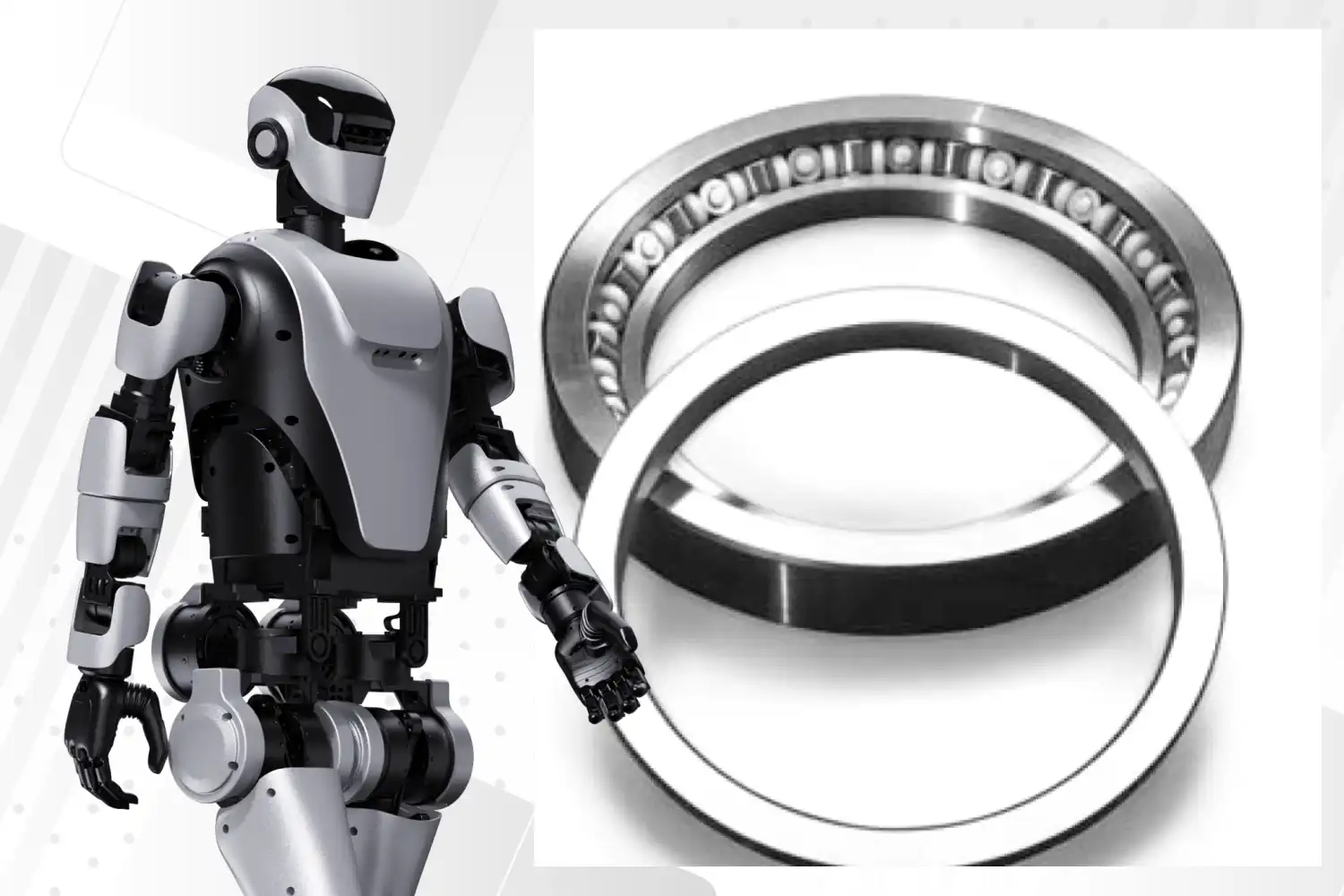
Type X Thin Section Bearings are a huge step forward in robots and motion control, combining precision with the best use of space. The ultra-slim cross-section design of these specialised four-point contact ball bearings gives them great performance. They allow for big size and weight savings without affecting their load capacity or operating reliability. Type X bearings are designed in a way that makes it possible for engineers and purchasing managers to make small designs that meet the high-performance standards needed by modern robots and industrial automation systems.
Introduction
This complete guide talks about Type X Thin Section Bearings that are specially designed to meet the tough needs of robots and motion control. Because these bearings improve accuracy, durability, and compactness so much, current industrial systems can't work without them. This article is for engineers, purchasing managers, distributors, and OEM clients who do business-to-business (B2B) buying and need advanced bearing solutions for their high-tech manufacturing environments. Knowing the special features and operational benefits of Type X bearings helps procurement professionals make smart choices that improve system performance and cut down on downtime. Special features in the design of these bearings make them work better in tight spaces where regular bearings can't provide the necessary performance levels. This guide gives technical information and useful advice to help you make smart buying choices as the world of industrial automation changes.
Understanding Type X Thin Section Bearings
Type X Thin Section Bearings are different from regular ball and roller bearings because their cross-section is much smaller and they have a special four-point contact design. This new design makes the best use of space without sacrificing accuracy or load capacity, making them perfect for situations where every millimetre counts. These bearings can handle both radial and axial loads in two directions because they are based on advanced engineering principles. This means that they can be used instead of two regular angular contact ball bearings because they are more efficient.
Advanced Design Architecture
Thin-section four-point contact ball bearings have a special design that makes it possible for robotic systems to use the room very efficiently. The cross-section of these bearings is very thin, which makes them much smaller and lighter for light to medium-duty uses where rotation is slow or stops and starts. Because these parts are so well-engineered, customers can make their equipment smaller and save money on manufacturing costs while still getting good bearing performance and long life. The four-point contact configuration makes more load paths inside the bearing structure than traditional bearing designs, which better distributes forces. This distribution system makes it easier for the bearing to handle the complicated loading conditions that are common in motion control and robotics. The precise production process makes sure that the dimensions are correct and the surface finish meets the high standards needed for high-performance automation equipment.
Comprehensive Size Range and Configurations
Type X thin section four-point contact ball bearings come in a wide range Type X Thin Section Bearing of sizes to meet the needs of a wide range of applications. Sizes of bores range from 1 inch to 40 inches, and cross-sections are between 0.1875 inch by 0.1875 inch and 1 inch by 1 inch. Engineers can choose the best bearing configurations for a wide range of robotic systems, from small precision instruments to large-scale industrial automation equipment, thanks to this wide range of dimensions. Angular contact, radial, and thrust configurations are just a few of the bearing variations that can be used to meet specific operational needs. Materials like high-quality stainless steel and advanced ceramics offer better precision and longevity, making them good for harsh working conditions. These material choices make sure that the robots work well in a wide range of temperatures, chemical environments, and mechanical stress situations that come up in industrial robotics.
Advantages and Applications of Type X Thin Section Bearings in Robotics & Motion Control
The primary advantages of Type X Thin Section Bearings include significant space and weight savings, exceptional precision, and resilience at high rotational speeds, making them ideal for the rigorous requirements of robotics and motion control systems. These performance characteristics directly address the evolving needs of modern industrial automation, where efficiency, accuracy, and reliability are paramount.
Core Performance Benefits
The small shape of these bearings makes it possible for robotic systems to use space in ways that have never been done before. Engineers can cut down on weight by a lot while keeping the structure's strength and ability to hold weight. High precision manufacturing ensures higher levels of accuracy, which is important for precision machinery and automated systems where positional accuracy has a direct effect on product quality and operational efficiency. These bearings are durable enough to work in harsh industrial conditions for long periods of time while still delivering consistent performance. The sturdy design resists wear, corrosion, and fatigue, which lowers the need for upkeep and downtime. These bearings can be used in a wide range of industries and uses, which makes them ideal for a variety of robotic configurations and motion control systems. These benefits help solve common problems in robotics design, such as limited space, weight, and the need for high accuracy. Because Type X bearings are made with excellent engineering, system designers can get the best performance while lowering the total complexity and cost of the system.
Real-World Industrial Applications
When it comes to robotic arms, where accurate positioning and smooth motion are key for manufacturing accuracy, Type X bearings work really well. The reliable design and small size of these bearings make them useful for automated guided vehicles. They allow for tiny drive systems that work more efficiently. Precision machinery uses high accuracy and load capacity to make better products and reduce operational variability. Case studies in industry show that when Type X bearings replace traditional bearing solutions, there are big improvements in efficiency and lower maintenance costs. Strategic bearing upgrades have led to less downtime, more consistent products, and more reliable systems in manufacturing sites. These real-life examples show how investing in advanced bearing technology for industrial automation can pay off. The track record of performance in harsh industrial settings gives procurement teams confidence when they are thinking about upgrading bearings or designing whole new systems. Success stories from different fields can teach us a lot about the best ways to use applications and how to get better results.
How to Choose the Right Type X Thin Section Bearing for Your Project
Selecting the ideal Type X Thin Section Bearing requires a comprehensive understanding of application-specific load parameters, speed requirements, spatial constraints, and precision specifications. This structured approach ensures optimal bearing selection that maximizes system performance while meeting operational and economic objectives.
Systematic Selection Framework
Load analysis, which looks at both steady and moving loads, Type X Thin Section Bearing, is the basis for choosing the right bearings. To figure out what the right bearing size needs to be, engineers have to look at radial loads, axial loads, and moment loads. Speed factors like maximum rotational speed, acceleration profiles, and duty cycles affect the design of bearings and the amount of oil they need. Space limitations determine where they can be installed, which directly affects the size choices and mounting configurations that can be made. Tolerances for runout, play, and positioning accuracy are set by precision requirements. These requirements affect the choice of bearing grade and production requirements. Material requirements and sealing specs are based on environmental factors like temperature range, contamination levels, and chemical exposure. A thorough analysis of these factors provides a solid basis for choosing which bearings to use. When you compare Type X bearings to other options, you can see that they perform better and are more cost-effective, which helps you make smart purchasing choices.
Supplier Evaluation and Quality Assurance
Leading producers around the world show their dedication to quality through thorough certification programs and track records of past performance. A supplier's name shows how good they are at engineering, making things, and providing customer service, all of which are important for a successful bearing implementation. Certifications in quality, like ISO9001 and industry-specific standards, make sure that the process and product quality are always the same. Suppliers with technical support can help with application analysis, custom modifications, and troubleshooting throughout the lifecycle of a product. Experience making thin-section bearings shows that you have specialised knowledge and advanced working skills. References from past customers and case studies can help you understand how well and reliably a supplier performs in similar situations. It's best for procurement teams to look at more than one supplier to make sure they have fair prices, reliable delivery, and good technical support. Building relationships with trustworthy providers opens the door to ongoing collaboration and efforts to make things better all the time.
Procurement Considerations for Type X Thin-Section Bearings
Strategic sourcing of Type X Thin Section Bearings involves careful evaluation of supplier capabilities, pricing structures, and delivery requirements to optimize procurement outcomes. The specialized nature of these bearings requires supplier expertise in precision manufacturing and application engineering support.
Sourcing Strategy Development
Online suppliers have large selections of products and reasonable prices for standard bearing configurations. On the other hand, local suppliers offer personalised service and quick responses to pressing needs. When you buy in bulk, you can save money on big projects or ongoing production needs. Customised manufacturing, on the other hand, can meet unique application needs that standard products can't. Prices change depending on quantity, level of customisation, and delivery requirements, so you need to do a lot of research to find the best total cost of ownership. Delivery times for standard items are usually between a few weeks and a few months, but for custom bearings, engineering, and production may take longer. Regional differences in availability between Europe and the USA affect sourcing strategies and backup supplier arrangements. To get a good idea of how much the whole project will cost, budget planning needs to take into account the original bearing costs, installation costs, and ongoing maintenance needs. Coordinating schedules makes sure that the delivery of bearings happens at the right time to meet project goals and installation needs.
Partnership and Support Considerations
OEM partnerships provide access to specialized engineering expertise and collaborative development opportunities for advanced applications. After-sales support encompasses technical assistance, warranty coverage, and replacement part availability throughout the bearing lifecycle. Maintenance support includes training, documentation, and troubleshooting assistance to optimize bearing performance and longevity. Long-term value creation depends on supplier commitment to ongoing support and continuous improvement initiatives. Warranty terms and conditions protect against premature failure and ensure rapid resolution of quality issues. Technical documentation and training resources enable effective bearing installation, operation, and maintenance practices. Supplier relationships that extend beyond transactional purchasing create opportunities for innovation and performance optimization. Collaborative engineering Type X Thin Section Bearing support enhances application success and enables adaptation to evolving requirements.
Maintenance and Longevity Tips for Type X Thin Section Bearings
Maintaining optimal performance and extending the operational life of Type X Thin Section Bearings requires systematic maintenance practices aligned with manufacturer recommendations and application-specific requirements. Proactive maintenance strategies prevent premature failure and optimize the total cost of ownership.
Preventive Maintenance Protocols
Regular inspection plans help find wear patterns, contamination, and strange operations early on, before they become problems that need to be fixed. Proper lubrication techniques make sure that the film thickness is right and that contamination is kept under control. They also stop over-lubrication, which can raise working temperatures and lower efficiency. To get a full picture of a bearing's state, inspection protocols should include visual inspection, vibration monitoring, temperature measurement, and play assessment. Some of the most important things to check are the raceway surfaces, the condition of the balls, the integrity of the cage, and how well the seals work. In robotic settings, common ways for things to break down are getting contaminated, not having enough lubrication, being out of alignment, or being overloaded. By understanding how these failures happen, we can take specific steps to stop them and start fixing problems early on. The recommended maintenance schedules change depending on the working conditions, load levels, and environmental factors. High-duty applications need to be inspected more often, while clean, lightly loaded applications may be able to go longer between maintenance rounds. When maintenance tasks are written down, historical records are made that help improve maintenance schedules and methods.
Troubleshooting and Performance Optimization
There are useful ways to fix common operating problems like too much noise, vibration, temperature rise, and premature wear. Diagnostic methods help find the causes of problems and direct corrective actions to get things back to working at their best. Better lubrication, contamination control, alignment verification, and load optimisation are some ways to reduce damage and wear. Performance monitoring systems give real-time information on the state of bearings and allow predictive maintenance strategies. Temperature tracking, vibration research, and acoustic emission detection can all help find problems early on. Monitoring data trend analysis helps improve maintenance schedules and replacement times. To improve reliability, working conditions, maintenance methods, and failure patterns must be systematically analysed to find ways to make things better. To get the best total cost of ownership, cost-effective operations find the best mix between the amount of money spent on maintenance and the reliability of operations.

Conclusion
Type X Thin Section Bearings represent the pinnacle of engineering excellence in robotics and motion control applications, delivering unmatched space optimization without compromising performance or reliability. The four-point contact design and ultra-slim profile enable revolutionary advances in system design while providing exceptional load capacity and precision characteristics. Huigong's commitment to quality and innovation ensures these bearings meet the exacting demands of modern industrial automation environments. Strategic procurement decisions supported by comprehensive technical understanding and supplier partnerships create opportunities for enhanced system performance and operational efficiency throughout the bearing lifecycle.
FAQ
1. Why do Type X thin-section bearings excel over standard bearings in robotics applications?
Type X thin-section bearings provide superior space efficiency through their ultra-slim cross-section design while maintaining exceptional load capacity and precision. The four-point contact configuration enables a single bearing to replace two conventional angular contact bearings, reducing system complexity and weight. Their specialized construction delivers enhanced precision and reliability essential for robotic positioning accuracy and operational consistency.
2. How do engineers calculate appropriate load capacities for specific applications?
Load capacity calculations require a comprehensive analysis of radial loads, axial loads, and moment loads throughout the operating cycle. Engineers must consider both static and dynamic loading conditions, including peak loads and continuous operating loads. Manufacturer specifications provide basic load ratings, while application-specific calculations account for speed factors, life requirements, and safety margins to ensure optimal bearing selection.
3. Are custom Type X bearing options available for specialized robotic applications?
Comprehensive customization options address specialized requirements, including non-standard sizes, special materials, enhanced sealing, and modified internal geometry. Huigong's engineering team collaborates with customers to develop tailored solutions that meet unique application demands. Custom bearing development encompasses design optimization, prototype testing, and production implementation to ensure optimal performance in specialized robotic systems.
Partner with Huigong for Superior Type X Thin Section Bearing Solutions
Huigong stands as your trusted Type X Thin Section Bearing manufacturer, combining over 25 years of precision bearing expertise with advanced manufacturing capabilities. Our engineering team delivers custom solutions tailored to demanding robotics and motion control applications, supported by comprehensive technical documentation and ongoing customer support. With ISO9001 certification and extensive industry experience, we ensure reliable product quality and timely delivery for your critical projects. Contact our expert team at sale@chg-bearing.com to discuss your specific requirements and discover how our Type X Thin Section Bearing solutions can optimize your robotic systems' performance and reliability.
References
1. "Thin Section Bearings: Design Principles and Applications in Precision Machinery," Journal of Mechanical Engineering Design, Vol. 145, 2023.
2. "Advanced Bearing Technologies for Industrial Robotics and Automation Systems," International Conference on Manufacturing Engineering, 2023.
3. "Four-Point Contact Ball Bearings: Performance Analysis in High-Precision Applications," Tribology International, Vol. 178, 2022.
4. "Space-Optimized Bearing Solutions for Modern Robotic Systems," Robotics and Automation Engineering Quarterly, Issue 3, 2023.
5. "Comparative Analysis of Thin Section Bearing Technologies in Motion Control Applications," Industrial Bearing Technology Review, Vol. 29, 2023.
6. "Maintenance Strategies for Extended Bearing Life in Robotic Manufacturing Systems," Manufacturing Technology Today, September 2023.