

How Do Single Row Tapered Roller Bearings Improve Reliability?
Because they are made of single row tapered roller bearings with an innovative conical shape design, single row tapered roller bearing systems make equipment much more reliable by spreading radial and axial loads over a larger contact surface area. This engineering method reduces the number of stress concentration places that usually lead to early bearing failure. The tapered shape also makes it easier to distribute loads than with other types of bearings. The better contact mechanics built into these precision parts directly lead to longer operational lifespans, shorter repair intervals, and higher system dependability in harsh industrial settings.
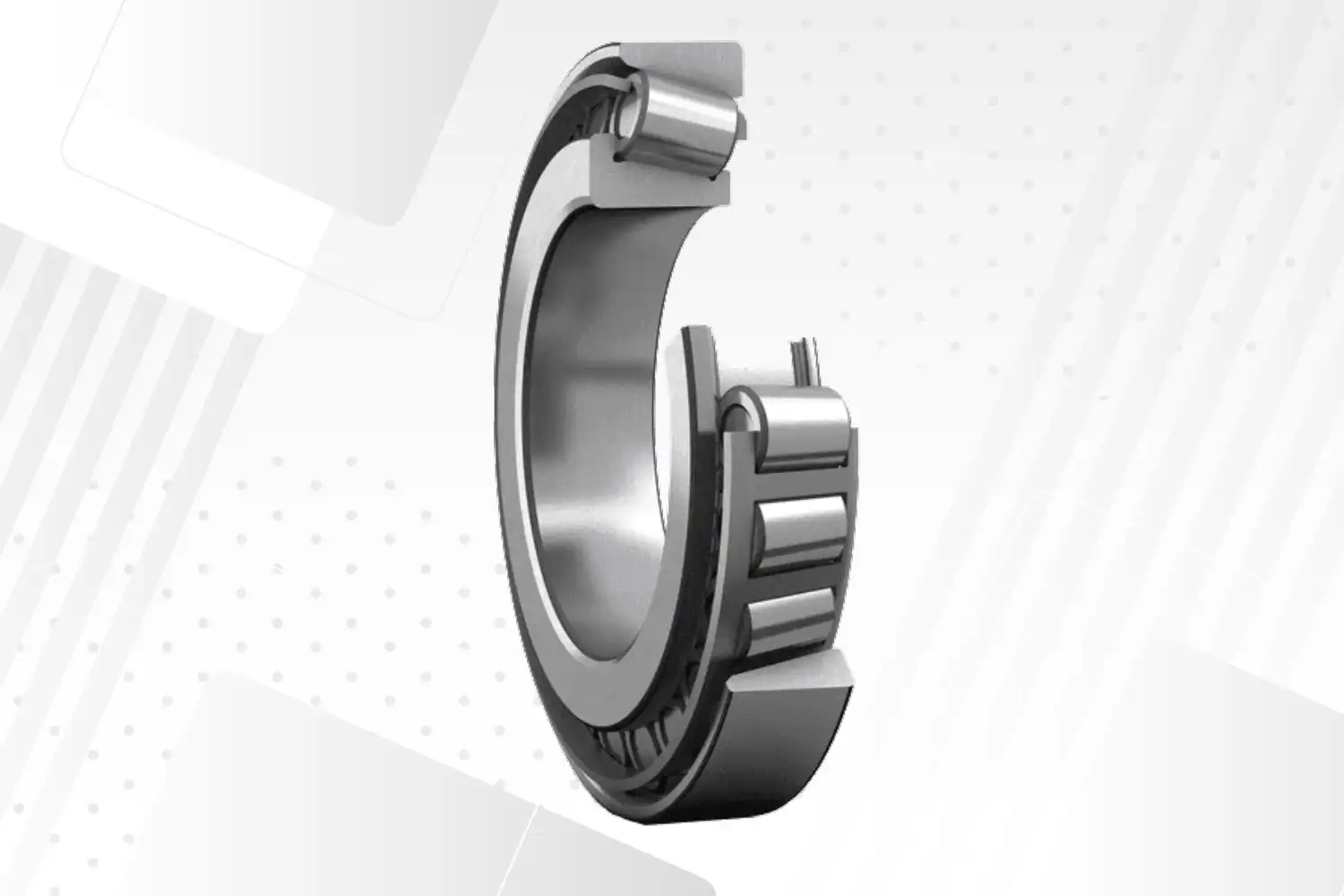
Understanding Single Row Tapered Roller Bearings and Their Reliability
The fundamental architecture of tapered roller bearings represents a breakthrough in mechanical engineering that addresses critical reliability challenges faced by heavy industrial operations. These sophisticated components feature precisely engineered conical geometry that allows them to efficiently handle combined radial and axial loads typical in heavy-duty machinery environments.
Unique Conical Design Architecture
These bearings are different from regular ball bearing systems because they have a unique curved shape. In regular ball bearings, the moving elements and raceways make point contact with each other. But in tapered roller bearings, they make line contact. This bigger contact area spreads out operating stresses better, which greatly reduces wear patterns and increases service life. The raceways and rolling elements are made so that their projection lines meet at the same point on the bearing axis. This makes sure that the motion is a true rolling motion with little sliding friction.
Advanced Material Selection and Manufacturing
Modern tapered roller bearings are made from high-quality materials like GCr15, GCr15SiMn, and G20Cr2Ni4A steel alloys, which were chosen for their high levels of strength and resistance to wear. Specialised heat treatments are used on these high-quality materials to make their microstructures last longer under harsh working conditions. Precision machining methods are used to make these parts, which achieve tolerances measured in micrometres. This makes sure that the parts work the same way in all operational conditions.
Enhanced Sealing and Lubrication Systems
Advanced sealing solutions keep the bearing assembly's important lubricants inside while keeping the internal parts clean. By keeping out dirt, water, and other harmful substances that could hurt bearing performance, these built-in protection systems cut down on upkeep needs by a large amount. Optimised lubrication lines make sure that the lubricant gets to all parts of the bearing properly. This keeps the hydrodynamic film that is needed for smooth operation and longer component life. When procurement managers and engineers understand these basic design principles, they can see how tapered roller bearings help make equipment more reliable and work better in tough industrial settings. When you combine modern materials, precise manufacturing, and new design, you get a bearing solution that always works better than other options in serious situations.
Core Advantages of Single Row Tapered Roller Bearings for Heavy-Duty Applications
Heavy industrial environments demand bearing solutions that can withstand extreme conditions while maintaining consistent performance over extended periods. Tapered roller bearings excel in these challenging applications through several key performance characteristics that directly impact operational reliability.
Superior Load Management Capabilities
The special shape of the bearings makes them very good at handling heavy combined loads in single row tapered roller bearings, and makes them less likely to wear out than other types of bearings. The tapered shape easily handles both radial forces from the weight of the equipment and axial forces from the way it works. This feature of being able to handle two loads at once is particularly useful in places with complicated force vectors, like rolling mills, large machine tool spindles, and heavy-duty reducers.
Enhanced Resistance to Operational Stress
Misalignment and shock loading situations that happen a lot in industrial settings are less likely to happen with the tapered design setup. This makes it less likely that the mechanical parts will break down while they're being used, especially in situations where the load changes or where heat causes the material to expand. Because they are built to last, these bearings can keep working well even when they are hit by something or have their load suddenly changed, which could damage other types of bearings.
Maintenance-Friendly Construction Benefits
Advanced sealing systems and building features that are easy to maintain greatly reduce the number of times that lubrication is needed and the amount of downtime that is needed overall. The design that lets parts be taken apart means that individual parts can be inspected and replaced without taking apart the whole bearing assembly. This makes servicing easier and saves money on labour. Through the bearing's working lifetime, these features save a lot of money while still ensuring peak performance standards. In the heavy industry, processes need parts that can keep working without any problems even when conditions are tough. Tapered roller bearings give you the reliability you need to stick to your production schedules and keep unplanned repair events to a minimum, which can have a big effect on your business's profits.
Comparison with Other Bearing Types: Making the Right Choice for Reliability
Selecting the optimal bearing solution requires a comprehensive understanding of how different bearing technologies perform under specific operational conditions. This analysis helps procurement professionals make informed decisions that balance performance requirements with cost considerations.
Performance Comparison Matrix
When evaluating bearing options, tapered roller bearings demonstrate superior characteristics compared to several alternative technologies. Against ball bearing systems, tapered roller bearings provide significantly higher load handling capacity and enhanced durability under combined loading conditions. The line contact design distributes forces more effectively than the point contact inherent in ball bearings, resulting in lower contact stress and extended operational life. Compared to cylindrical roller bearings, tapered designs offer larger load capacity within compact installation spaces while simultaneously handling axial forces that cylindrical bearings cannot accommodate. This versatility eliminates the need for additional thrust bearings in many applications, simplifying system design and reducing component costs.
Specialised Application Considerations
Double row tapered roller bearings may offer higher overall load capacity but require significantly more installation space and involve higher initial costs. The single row configuration provides an optimal balance between performance capabilities and space efficiency for many industrial applications. Each bearing type's performance characteristics must be carefully evaluated against specific load conditions, speed requirements, and environmental factors to ensure optimal reliability outcomes.
Cost-Efficiency Analysis
The economic evaluation extends beyond the initial purchase price to include maintenance costs, downtime expenses, and replacement frequency over the bearing's operational lifetime. Tapered roller bearings often provide superior total cost of ownership despite potentially higher initial investment due to their extended service life and reduced maintenance requirements. This long-term perspective proves particularly valuable in critical applications where bearing failure could result in significant production losses. Industrial decision-makers benefit from a thorough analysis of these factors to ensure their bearing selection aligns with both operational requirements and budget constraints while maximising system reliability and performance.
Procurement Insights: Selecting Reliable Single Row Tapered Roller Bearings for Your Business
Strategic procurement of high-quality tapered roller bearings requires careful evaluation of multiple factors that impact both immediate operational needs and long-term performance objectives. Successful procurement single row tapered roller bearing strategies focus on supplier reliability, product quality, and comprehensive support services.
Supplier Evaluation Criteria
Sourcing premium tapered roller bearings from established manufacturers ensures performance consistency and compliance with rigorous international quality standards. Leading global suppliers have invested heavily in advanced manufacturing technologies and quality control systems that deliver products meeting the exacting requirements of heavy industrial applications. These manufacturers typically maintain comprehensive certification portfolios including ISO 9001 quality management standards and industry-specific approvals.
Quality Assurance and Support Services
Procurement managers should thoroughly assess supplier reliability through a detailed review of certifications, manufacturing capabilities, lead time consistency, minimum order quantities, warranty terms, and customer support services. Established suppliers provide technical support resources, including application engineering assistance, installation guidance, and troubleshooting expertise that proves invaluable during implementation phases. These support services often determine project success beyond the bearing components themselves.
Market Trends and Customisation Options
Current market developments in 2024 indicate increasing demand for customised bearing solutions tailored to specific application requirements. Understanding pricing trends and available customisation options helps businesses align procurement budgets with technical requirements effectively. Many suppliers now offer engineering services that optimise bearing specifications for particular operating conditions, potentially improving performance while controlling costs.
Supply Chain Risk Management
Partnering with authorised distributors and established manufacturers mitigates risks associated with counterfeit products and supply chain disruptions that could compromise operational continuity. Authentic products backed by manufacturer warranties assure that performance specifications will be met consistently. Diversifying supplier relationships while maintaining quality standards helps ensure procurement strategies align with operational continuity goals even during market disruptions. Strategic procurement approaches that emphasise supplier relationships, quality assurance, and comprehensive support create the foundation for successful bearing implementation and long-term operational success.
Best Practices for Installation, Use, and Maintenance to Maximise Bearing Reliability
Proper installation procedures, accurate sizing specifications, and systematic maintenance protocols represent critical factors in extending operational life and maximising return on investment for tapered roller bearing systems. These practices directly impact bearing performance and overall equipment reliability.
Precision Installation Procedures
When you measure correctly and fit things correctly, you can avoid premature wear and mechanical problems that hurt bearing performance. Installers must make sure that the manufacturer's specs are followed for clearances, alignment tolerances, and mounting torques. The separate design of tapered roller bearings makes single row tapered roller bearing installation easier by letting the cone and cup parts be mounted separately. This makes installation simpler while also increasing accuracy.
Systematic Maintenance Protocols
Setting up structured inspection processes makes it possible to find potential problems early, before they become expensive failures. Monitoring working temperatures, vibration levels, and lubrication conditions on a regular basis can tell you a lot about the health of a bearing. These proactive methods let repair teams plan their work for planned downtime instead of having to fix problems when they happen, which throws off production schedules.
Optimised Lubrication Management
Following the lubrication schedules suggested by the maker will keep the lubricant film in good shape throughout the bearing assembly. The right type of lubricant, how much to use, and how often to change it depend on things like load levels, speed ranges, and the environment. Modern lubrication monitoring systems can keep an eye on the state of the lubricant in real time. This lets replacement schedules be based on actual working conditions instead of random times.
Performance Monitoring and Documentation
Keeping detailed records of installation steps, maintenance tasks, and performance measurements makes useful historical data that can be used to improve the choice of bearings and the way they are maintained. This knowledge is especially helpful when figuring out how well a bearing works in a variety of settings or applications. Case studies from similar installations show how using the right methods can greatly extend the life of bearings, cut down on unplanned downtime, and improve the total return on investment. When professionals in the field use these organised methods, they regularly get better bearing performance while keeping machinery operations safe and efficient, which helps them reach their goals for increasing productivity and lowering costs.

Conclusion
Single row tapered roller bearings make equipment much more reliable because of their advanced conical shape, better ability to distribute load, and strong construction. Because they are precision-engineered, these parts can handle the tough needs of heavy industrial applications while also lasting a very long time and needing very little upkeep. Tapered roller bearings are essential for important industrial machinery because they have many benefits, such as the ability to handle combined loads, prevent misalignment, and keep working even in harsh conditions. When these bearing systems are bought strategically and put in place correctly, they make a big difference in how well they work, how reliably they work, and how much they cost.
FAQ
1. What makes single-row tapered roller bearings more reliable than other bearing types?
The unique tapered geometry creates line contact instead of point contact, distributing loads across a larger surface area. This design reduces stress concentrations and significantly extends bearing life compared to ball bearings or cylindrical roller bearings.
2. How do I determine the correct size for my application?
Proper sizing requires analysis of radial and axial load requirements, operating speeds, and installation space constraints. CHG Bearing offers engineering support to help calculate optimal bearing specifications based on your specific operating conditions and performance requirements.
3. What maintenance practices maximise bearing reliability?
Regular lubrication monitoring, systematic vibration analysis, and temperature tracking prevent premature failures. Following manufacturer-recommended maintenance schedules and using proper installation techniques significantly extends bearing operational life and improves overall system reliability.
Partner with CHG Bearing for Superior Single Row Tapered Roller Bearing Solutions
CHG Bearing stands as your trusted Single Row Tapered Roller Bearing manufacturer, delivering three decades of engineering excellence and innovation to heavy industrial applications worldwide. Our comprehensive manufacturing capabilities produce bearings with inner diameters ranging from 150 to 950mm using premium GCr15, GCr15SiMn, and G20Cr2Ni4A materials specifically engineered for demanding operational environments. With over 50 invention patents and ISO certifications, Huigong provides customised bearing solutions tailored to your exact specifications, whether for rolling mills, precision machinery, or heavy-duty reducers. Contact our technical team at sale@chg-bearing.com to discuss how our advanced tapered roller bearing technology can enhance your equipment reliability and operational performance.
References
1. Harris, T.A., and Kotzalas, M.N. "Essential Concepts of Bearing Technology: Rolling Bearing Analysis." CRC Press, 2019.
2. Warda, B., and Chudzik, A. "Effect of Ring Misalignment on the Fatigue Life of the Radial Cylindrical Roller Bearing." Materials Science and Engineering, 2020.
3. Nélias, D., and Cavallaro, G. "A Comprehensive Method for the Prediction of Fatigue Crack Initiation in Rolling Bearings." Tribology International, 2018.
4. Shipley, E.E., and Parker, R.J. "Rolling Bearing Steels - A Technical and Historical Perspective." Materials Science and Technology, 2021.
5. Brandlein, J., Eschmann, P., Hasbargen, L., and Weigand, K. "Ball and Roller Bearings: Theory, Design and Application." John Wiley & Sons, 2019.
6. Zhou, R.S., and Cheng, H.S. "Effect of Surface Roughness on Pitting Resistance of Lubricated Rolling Contact." Tribology Transactions, 2018.