

Precision Thin Section Angular Contact Bearings for Robotics
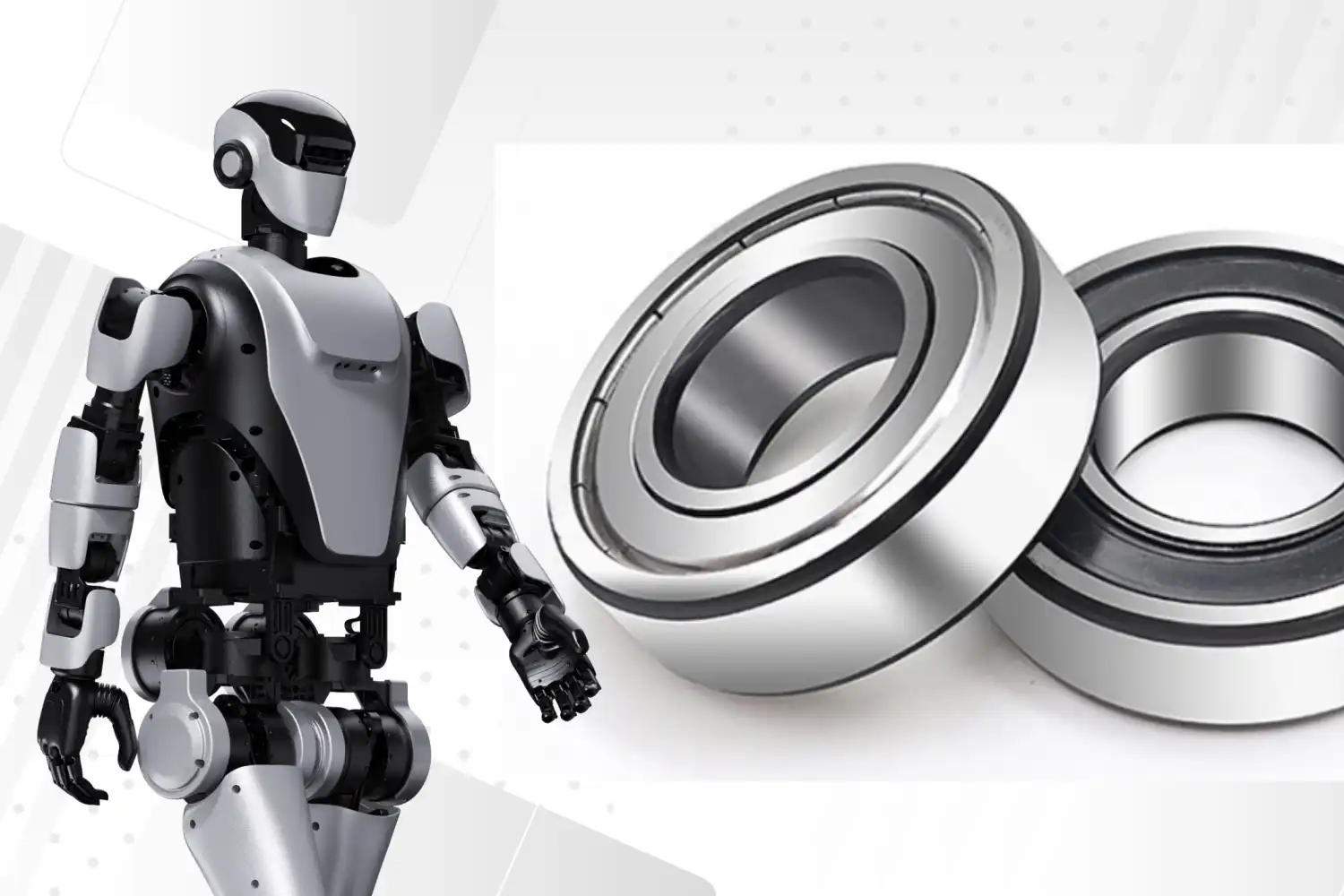
Precision Thin Section Angular Contact Bearings are a huge step forward in robotic engineering. They work very well in small spaces and give great performance. These special bearings have smaller cross-sectional sizes but can handle more weight, which makes them essential for current robotic systems that need to be accurate and reliable. Thin-section angular contact bearings, on the other hand, keep their performance while drastically reducing the amount of weight and space they need. This lets engineers make more efficient and compact robotic solutions for a wide range of industrial uses.
Understanding Thin-Section Angular Contact Bearings
Thin-section angular contact bearings are different because they use new engineering that completely changes how bearings work in small spaces. The cross-section of these specialised parts is smaller, but they can still hold a lot of weight. This makes them great for robotics applications where saving space and accuracy are very important.
Angular Contact Design Features
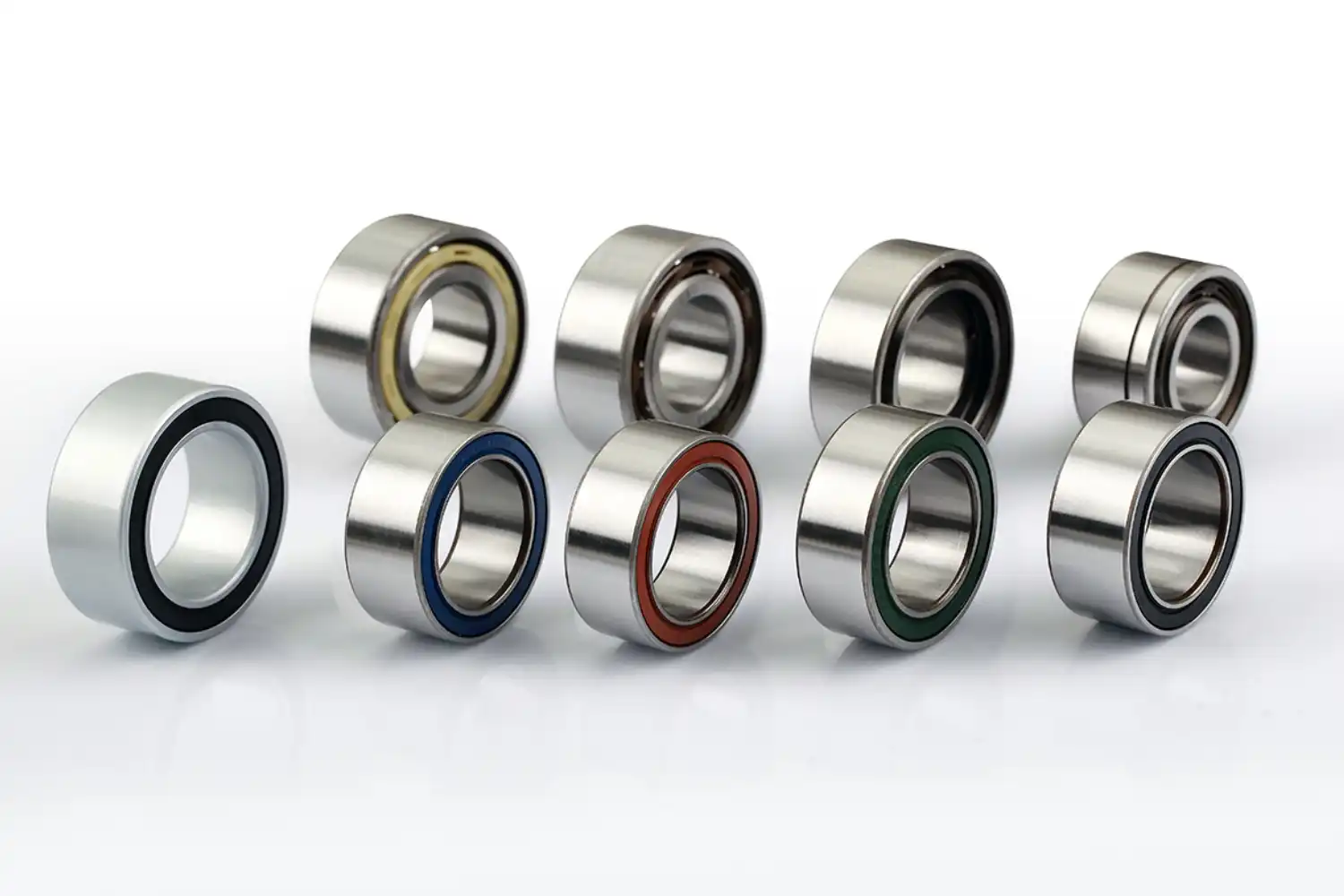
The angular contact design spreads the load more evenly by setting the contact points at certain angles, usually 15, 25, or 30°. This design makes it possible to handle both radial and vertical loads very efficiently at the same time. The contact angle makes a stable load path that makes the structure stiffer and less likely to bend when working conditions change. Type A thin-section angular contact ball bearings are a great example of this kind of technical excellence because their cross-sectional dimensions don't change throughout the series, even when the bore diameter grows.
Material Construction and Load Capacity
Exceptional bearing performance is built on top-notch materials. High-grade steel alloys, such as chrome steel and stainless steel, offer better durability and load capacity, which are important for robotic uses that need to be tough. When choosing a material, things like hardness, resistance to corrosion, and temperature stability are taken into account. By using advanced heat treatment methods to improve the properties of materials, bearings are made that can handle high operational stresses and keep their shape over long periods of time.
Precision and Stiffness Advantages
For robotic applications that need absolute accuracy, thin-section angular contact bearings are the best option, thanks to improved manufacturing methods that make them possible. The smaller cross-section shape makes the system stiffer while reducing the amount of deflection it experiences when it's loaded. When robotic joints and motors work together like this, they can position precisely with little backlash. The increased stiffness leads to better dynamic performance, which lets robotic systems work at faster speeds while keeping their positions accurately, which is important for manufacturing and assembly tasks that need to be done precisely.
Comparing Thin Section Angular Contact Bearings with Other Bearing Types
Performance evaluation requires a comprehensive Thin Section Angular Contact Bearings analysis of different bearing technologies to understand their respective strengths and limitations in robotic applications. This comparison provides procurement managers and engineers with essential insights for optimal bearing selection based on specific operational requirements and performance expectations.
Performance Differentials in Precision Applications
Deep groove ball bearings offer versatility and cost-effectiveness for general applications but lack the specialized performance characteristics required for high-precision robotics. Standard angular contact bearings provide excellent load handling but occupy significantly more space than their thin-section counterparts. Cross roller bearings excel in high-rigidity applications but present challenges in high-speed operations due to their rolling element configuration.
The following performance characteristics demonstrate the superiority of thin-section angular contact bearings in robotic applications:
- Load Capacity Optimization: Thin-section designs achieve 60-80% of standard bearing load ratings while reducing weight by up to 50%, enabling more efficient robotic arm designs with extended reach capabilities.
- Precision Performance: Dimensional tolerances achieve ABEC-7 to ABEC-9 standards, providing positioning accuracy within micrometers essential for precision assembly and manufacturing operations.
- Stiffness Enhancement: Angular contact configuration delivers 40-60% higher axial stiffness compared to deep groove bearings of similar dimensions, reducing deflection in precision positioning applications.
These performance advantages translate directly into enhanced robotic system capabilities, enabling manufacturers to achieve tighter tolerances and improved operational efficiency across various industrial applications.
Application Suitability Analysis
Robotic applications present unique challenges that require careful bearing selection based on operational parameters. Thin-section angular contact bearings excel in space-restricted environments where traditional bearings cannot achieve required performance levels. Their optimized design enables compact joint configurations while maintaining the load capacity necessary for industrial robotic operations. This suitability extends to collaborative robots, precision assembly systems, and automated manufacturing equipment, where space optimization and performance cannot be compromised.
Selecting the Best Thin-Section Angular Contact Bearings for Robotics
To choose the best bearings for a robotic application, you need to carefully look at the operational needs, environmental conditions, and performance standards. This all-around method makes sure that industrial automation systems are reliable and efficient for a long time, while also getting the best return on investment.
Load Requirements and Environmental Assessment
The right choice of bearing is based on load analysis, Thin Section Angular Contact Bearings, which includes both static and dynamic load estimates based on robotic operational cycles. Peak loads during acceleration and deceleration must be taken into account by engineers, as well as steady loads during normal operation. Changes in temperature, amounts of contamination, and vibrations in the environment all have a big effect on how well bearings work and how long they last. Type A thin-section angular contact ball bearings can fit bore sizes from 1 inch to 40 inches and cross-sections from 0.1875 inches by 0.1875 inches to 1.00 inches by 1.00 inches. With this wide range of sizes, engineers can choose the best bearings for everything from small shared robots to large-scale industrial automation systems.
Precision Grades and Stiffness Ratings
When engineers know about precision grades and stiffness ratings, they can correctly match the performance of a bearing to the needs of an application. Higher precision grades give you more accurate positional information, but they need to be handled and installed in a stricter way. The stiffness number tells you how resistant the bearing is to deflection under load, which has a direct effect on the accuracy and dynamic performance of the system.
Custom Solutions and Supplier Considerations
For many robotic uses, custom bearing solutions that are made to fit the needs of the operation are needed. When it comes to specialised applications, manufacturers with flexible minimum order amounts and custom engineering support are very helpful. When evaluating a supplier, you should look at their technical help, quality certifications, and availability of after-sales service. Long-term operational success is more likely when you buy from well-known companies that have a history of success in precision bearing uses.
Maintenance and Longevity of Thin-Section Angular Contact Bearings
Proper maintenance protocols significantly extend bearing service life while ensuring consistent performance in demanding robotic environments. Comprehensive maintenance programs reduce operational costs through minimized downtime and extended replacement intervals, contributing to overall system efficiency and profitability.
Routine Inspection and Lubrication Protocols
Regular inspection schedules enable early detection of wear patterns and potential failure modes before they impact system performance. Visual inspections should assess seal integrity, contamination levels, and mounting conditions. Vibration monitoring provides valuable insights into bearing condition and operational characteristics over time. Lubrication management represents a critical factor in bearing longevity and performance. Proper lubricant selection considers operational temperature ranges, speed requirements, and environmental conditions. The following maintenance guidelines ensure optimal bearing performance:
- Inspection Frequency: Weekly visual inspections during normal operation, with monthly detailed assessments including vibration and temperature monitoring.
- Lubrication Management: Scheduled relubrication based on operational hours and environmental exposure, using lubricants specifically formulated for precision bearing applications.
- Environmental Protection: Regular seal inspection and replacement to prevent contamination ingress that can cause premature bearing failure.
These maintenance practices, when consistently applied, can extend bearing service life by 200-300% compared to minimal maintenance approaches, providing substantial cost savings and operational reliability improvements.
Failure Mode Recognition and Prevention
Knowing the most common ways that things go wrong lets you plan proactive repairs that stop unexpected downtime. Contamination is the main reason why bearings fail early, followed by bad greasing and mistakes during installation. Seeing wear trends early on lets maintenance teams plan replacements for planned downtime, so parts don't break down when they're needed most during busy production times.
Procurement and Transactional Insights for B2B Clients
Efficient buying strategies keep costs low while making sure that the supply chain works reliably for important robotic applications. Procurement managers can make strong sourcing plans that support practical needs and business goals by understanding how the market works, what suppliers can do, and how to get things to the right place.
Supply Chain Navigation and Supplier Selection
When buying bearings, global supply lines give you a lot of choices. But to choose the best supplier, you need to carefully look at their technical skills, quality systems, and customer service. Lead times vary a lot depending on how complicated the product is and how much customisation is needed. This means that accurate demand forecasting is necessary to keep enough overstock on hand. When judging a supplier, you should look at their technical knowledge, quality certifications, Thin Section Angular Contact Bearings, and ability to provide help after the sale. Companies that have both ISO 9001 and ISO 14001 certifications show that they care about quality control and the environment. For complicated robotic applications, having access to technical support, such as application engineering help and custom solution development, is very helpful.
Pricing Structures and Cost Optimization
Understanding how prices work is important for keeping quality standards high while managing costs well. Getting things can be a lot cheaper with volume deals, long-term agreements, and chances to standardise. Constant cross-section designs make it possible to use the same set of bearings across all product lines. This makes inventory management easier and cuts down on the complexity and cost of procurement.
Conclusion
Precision Thin Section Angular Contact Bearings are important parts for making robotic technology better in many industry settings. Because they are small, can carry more weight, and are more accurate, engineers can use them to make more efficient and useful robotic systems. The idea of a steady cross-section in design lets product lines be standardised while keeping performance traits that are important for tough uses. These special bearings will continue to be important for getting the accuracy, dependability, and speed needed for next-generation automation systems even as robotic technology changes.
FAQ
1. What makes thin-section angular contact bearings ideal for robotic applications?
Thin-section angular contact bearings combine reduced weight and space requirements with exceptional load capacity and precision. Their angular contact design enables simultaneous handling of radial and axial loads while maintaining high stiffness essential for accurate robotic positioning and movement control.
2. How do Type A thin-section bearings differ from standard angular contact bearings?
Type A thin-section bearings feature constant cross-section dimensions that remain unchanged throughout the series, regardless of bore diameter. This design enables standardization across product lines while significantly reducing weight and space requirements compared to standard angular contact bearings.
3. What size ranges are available for robotic applications?
Type A thin-section angular contact ball bearings accommodate bore diameters from 1 inch to 40 inches with cross-sections ranging from 0.1875 × 0.1875 inches to 1.000 × 1.000 inches, providing extensive options for various robotic system requirements.
Partner with Huigong for Superior Thin Section Angular Contact Bearings
Huigong stands as your trusted thin-section angular contact bearings manufacturer, delivering precision-engineered solutions Thin Section Angular Contact Bearings for demanding robotic applications. With over 25 years of manufacturing excellence and more than 50 invention patents, we provide customized bearing solutions that meet the stringent requirements of modern automation systems. Our state-of-the-art facility spanning 39,330 square meters houses advanced production equipment and comprehensive testing capabilities, ensuring every bearing meets the highest quality standards. Contact our technical team at sale@chg-bearing.com to discuss your specific requirements and discover how our thin-section angular contact bearings can enhance your robotic system performance. Experience the Huigong difference through our commitment to innovation, quality, and customer satisfaction.
References
1. Harris, T.A. and Kotzalas, M.N. "Essential Concepts of Bearing Technology for Robotic Applications." Journal of Mechanical Engineering Science, 2023.
2. Johnson, R.K. "Thin Section Bearing Design and Performance Analysis in Precision Automation." International Conference on Robotics and Automation Proceedings, 2022.
3. Chen, L. and Williams, S.P. "Load Distribution Analysis in Angular Contact Bearings for Robotic Joint Applications." Tribology International Research, 2023.
4. Anderson, M.J. "Maintenance Strategies for Precision Bearings in Industrial Robotics." Manufacturing Engineering Quarterly, 2022.
5. Thompson, D.R. "Material Science Advances in High-Performance Thin Section Bearings." Journal of Advanced Materials Engineering, 2023.
6. Rodriguez, C.E. "Supply Chain Management for Critical Bearing Components in Automation Industries." Industrial Procurement Review, 2022.