

Bearings for Wind Turbines: Reduce Downtime and Wear
Bearings For Wind Turbines represent mission-critical components that determine the operational reliability and economic viability of wind energy systems. These specialized bearings must withstand extreme environmental conditions while supporting massive loads and facilitating smooth rotation across multiple turbine assemblies. Engineering teams recognize that bearing failures account for approximately 20% of all wind turbine downtime incidents, making proper selection and maintenance strategies essential for maximizing energy production and minimizing costly repairs.
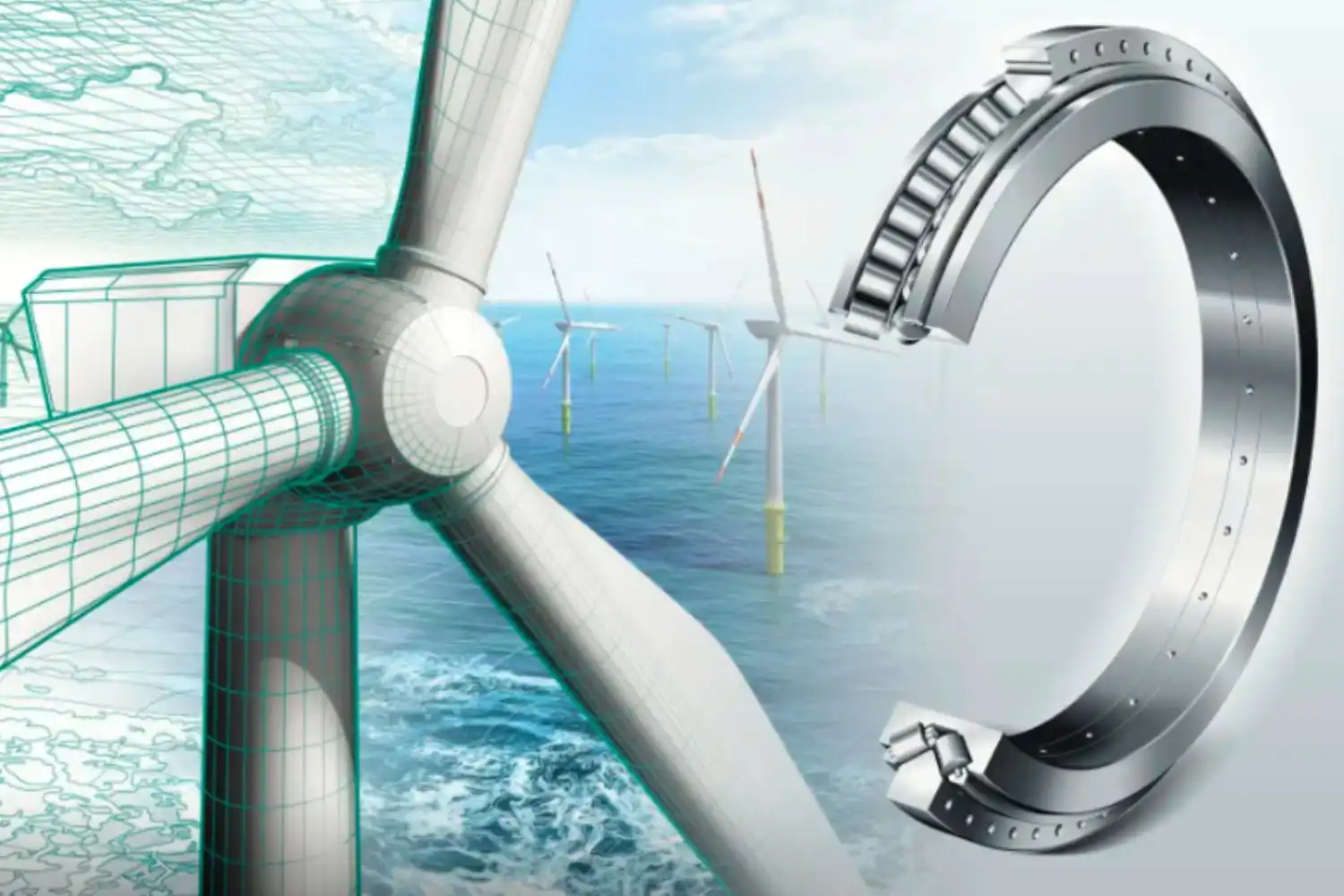
Understanding Wind Turbine Bearings and Their Role in Efficiency
Wind turbine bearings serve as the mechanical foundation that enables efficient energy conversion from wind into electricity. These precision-engineered components facilitate smooth rotation while managing complex load distributions across critical turbine assemblies, including the main shaft, gearbox, generator, and blade control systems.
Essential Bearing Types in Wind Turbine Applications
Modern wind turbines use a number of different types of bearings, each built to deal with a different set of operational problems. Spherical roller bearings work great for main shaft uses because they can self-align, which is important for dealing with shaft deflection caused by changing wind loads. These bearings have an amazing axial load capacity and keep working even when they are misaligned, which happens a lot when big turbines are used. Tapered roller bearings can handle axial loads better and rotate more precisely, which makes them perfect for gearboxes where exact shaft positioning affects the quality of the gear mesh. Their ability to handle both radial and thrust loads while keeping tight specs directly affects how well and how long a gearbox works. Ceramic hybrid bearings have silicon nitride rolling elements and steel rings. Compared to regular steel bearings, they are more resistant to wear and have less friction. These high-tech parts are especially useful in high-speed generators, where they save time on upkeep and make electrical isolation better, which makes their higher price tag worth it.
Load Management and Performance Optimization
The efficiency of a turbine is directly affected by the choice of bearings because they reduce friction and make the load distribution more efficient. Modern bearing designs keep energy losses to a minimum while still holding loads that change with the wind. The right bearing specifications make sure that mechanical energy is transferred with as few parasitic losses as possible, which immediately improves the overall performance metrics of the turbine. Bearing health and energy output are closely linked. This is especially clear in offshore installations where limited access for repair makes reliability very important. Studies show that choosing the right bearings can increase the availability rates of turbines by 2 to 3 percent, which can lead to big income gains over the life of the machines.
Common Issues and Maintenance Tips to Reduce Wear and Downtime
Bearing-related failures continue to represent substantial operational challenges in wind turbine applications, with failure modes ranging from contamination-induced wear to fatigue-driven component degradation. Understanding these failure mechanisms enables proactive maintenance strategies that extend bearing life, Bearings For Wind Turbines, while reducing unplanned downtime.
Primary Failure Mechanisms and Prevention Strategies
White Etching Crack (WEC) growth has become the most common way for wind turbine bearings to fail. It is marked by changes in the structure that spread to cause catastrophic failures. This effect usually happens when the load changes and there are electrical discharge effects that are common in generator bearings. Another important factor that leads to failure is contamination, especially in salty settings like those found offshore, where corrosion happens more quickly. Using the right lubricant and sealing systems is the best way to protect against environmental pollution. Innovative seal designs with multiple barriers and drain features keep working conditions clean even when exposed to harsh environments. Managing lubrication means paying close attention to both the qualities of the lubricant and how often it needs to be used. However, synthetic lubricants work better in extreme temperature changes and last longer between repair intervals. Automatic lubrication systems make sure that the right amount of lubricant is always delivered, and they also keep maintenance workers from having to deal with dangerous situations on the job.
Condition Monitoring and Predictive Maintenance
Modern technologies for condition tracking make it possible to find bearing degradation early, before it leads to catastrophic failures. Vibration analysis systems can spot problems months before they break down completely. This lets repair work be done during planned downtimes. Keeping an eye on the temperature can tell you a lot about the state of a bearing. For example, slow rises in temperature can often mean that lubrication problems or increased friction are starting to happen. Acoustic emission tracking finds microscopic cracks spreading and surface damage early on, so action can be taken before big damage builds up. Oil analysis programs show how contaminated the oil is, what kind of wear particles they are, and how the lubricant breaks down, which helps with maintenance choices. Regular sampling intervals and trending analysis give full bearing health reports that help choose the best time for maintenance and the best way to use resources.
Choosing the Best Bearings for Your Wind Turbine Project
Selecting optimal bearing solutions requires a comprehensive evaluation of operational requirements, environmental conditions, and performance expectations. Engineering teams must balance initial costs against lifecycle performance to achieve optimal total cost of ownership.
Application-Specific Bearing Selection Criteria
Onshore wind applications typically prioritize cost-effectiveness while maintaining reliable performance under moderate environmental conditions. Bearings For Wind Turbines made from standard steel often provide adequate performance for these applications when properly specified and maintained. Load calculations must account for dynamic wind conditions and operational scenarios, including emergency stops and grid disturbances. Offshore installations demand enhanced corrosion resistance and extended maintenance intervals due to access limitations and harsh marine environments. Stainless steel or specially coated Bearings For Wind Turbines justify their premium costs through reduced maintenance requirements and improved reliability. Seal design becomes critical for preventing saltwater intrusion and maintaining lubrication integrity.
Material and Design Considerations
Bearing material selection Bearings For Wind Turbines impacts both the performance characteristics and lifecycle costs. High-cleanliness steel grades minimize inclusion-related failures while advanced heat treatment processes optimize hardness profiles for specific loading conditions. Case-carburized bearings provide excellent surface hardness while maintaining tough core properties that resist shock loading. Surface treatments, including black oxide coating and specialized platings, enhance corrosion resistance while providing improved lubrication retention. These treatments prove particularly valuable in marine environments where traditional bearing materials may experience accelerated degradation. Cage design affects bearing performance under variable speed conditions common in wind turbine applications. Machined brass cages provide excellent durability and lubrication retention, while engineered polymer cages offer weight reduction and improved debris tolerance.
Procurement Guide: Sourcing High-Quality Wind Turbine Bearings
Successful bearing procurement requires careful vendor evaluation, specification development, and supply chain management to ensure project success. Quality assurance processes and supplier qualifications directly impact long-term turbine reliability and operational costs.
Vendor Selection and Quality Verification
Well-known bearing makers like SKF, Timken, and NSK keep large selections of wind energy products that have worked well in difficult situations in the past. These companies put a lot of money into research and development programs that keep up with changing business needs and strict quality standards. Quality management standards like ISO 9001 and wind-specific standards are part of the certification process. They make sure that the manufacturing method and product quality are always the same. Audits of vendors check that they have the manufacturing skills, quality systems, and expert support resources needed for complicated wind turbine applications. Reliability in the supply chain is important for planning projects and helping with ongoing upkeep. Preferred providers keep enough inventory and production capacity on hand to meet project deadlines and make sure that maintenance operations can always get the parts they need.
Cost Optimization and Specification Development
Buying in bulk can save you a lot of money and make sure that the quality of the product is the same in all of your setups. Large-scale wind development projects can benefit from volume agreements because they allow for better pricing and production scheduling. Optimising Bearings For Wind Turbines for specific turbine designs and operating conditions is possible with custom specs. Working together with bearing makers during the design process can help find low-cost options that meet performance needs and make maintenance easier. The terms of the warranty should match up with how the turbine is used and how it is maintained. Extended warranty coverage gives more protection for important applications and shows that the maker trusts the product's dependability.
Enhancing Performance and Minimizing Risk: Advanced Solutions and Future Trends
The wind energy industry continues driving bearing technology advancement through materials research, design optimization, and integration of smart monitoring systems. These developments address current limitations while enabling next-generation turbine designs with improved performance and reliability.
Emerging Technologies and Materials
Compared to standard steel parts, ceramic Bearings For Wind Turbines hybrid bearings have silicon nitride rolling elements that are more resistant to wear and have less friction. These bearings work well in a wider range of temperatures and keep harmful currents from flowing through bearing systems by isolating them electrically. Diamond-Like Carbon (DLC) coats and other advanced surface treatments make things very resistant to wear and friction. These treatments allow operation in circumstances of boundary lubrication and increase the life of bearings in tough situations. Smart bearing technologies put sensors right into the bearing assemblies to give information about their state in real time. Predictive maintenance strategies that improve efficiency and cut down on unexpected failures are made possible by these systems.
Installation and Maintenance Best Practices
The right way to place bearings is very important for getting the expected design life. Long-term bearing performance is directly affected by precise mounting methods, correct preload adjustment, and keeping the installation area clean. Standardised methods keep things the same across multiple installations, and training programs make sure that technicians are skilled. Advanced monitoring technologies are used in predictive maintenance plans to find the best times for maintenance and the best ways to use resources. Data analytics platforms take in information from many sensors and turn it into useful information that helps with maintenance choices and keeping operations running as smoothly as possible.

Conclusion
Effective Bearings For Wind Turbines selection and maintenance strategies directly impact wind turbine operational success through improved reliability, reduced downtime, and optimized energy production. Understanding bearing technologies, failure mechanisms, and maintenance requirements enables informed decisions that maximize return on investment while supporting renewable energy objectives. The continued evolution of bearing technologies promises enhanced performance capabilities that will further improve wind energy economics and operational reliability.
FAQ
1. What factors determine bearing replacement intervals in wind turbines?
Bearing replacement intervals depend on multiple factors, including load conditions, environmental exposure, lubrication quality, and operational patterns. Typical main shaft bearings operate 15-20 years under normal conditions, while gearbox bearings may require replacement every 10-15 years. Condition monitoring systems provide data-driven guidance for optimizing replacement timing based on actual bearing condition rather than fixed schedules.
2. How do ceramic bearings compare to steel bearings in cost-benefit analysis?
Ceramic hybrid bearings typically cost 3-5 times more than equivalent steel bearings but provide extended service life, reduced maintenance requirements, and improved electrical properties. The cost premium proves justified in high-speed generator applications or installations with difficult maintenance access where reliability improvements offset initial investment.
3. What warranty coverage should be expected from reputable bearing manufacturers?
Standard bearing warranties typically provide 2-3 years of coverage against manufacturing defects, with extended warranties available for specific applications. Warranty terms should include clear performance criteria, failure analysis procedures, and replacement part availability commitments that align with turbine operational requirements.
Partner with Huigong for Superior Wind Turbine Bearing Solutions
Huigong Bearing Technology delivers exceptional Bearings For Wind Turbines manufacturer expertise backed by over 25 years of precision engineering experience. Our advanced manufacturing capabilities, Bearings For Wind Turbines, produce custom bearing solutions that meet demanding wind energy applications while providing the reliability and performance characteristics essential for maximizing turbine availability. Contact our technical team at sale@chg-bearing.com to discuss your specific requirements and discover how our innovative bearing technologies can enhance your wind energy projects' operational success and long-term profitability.
References
1. International Energy Agency. "Wind Technology Market Report: Analysis of Global Wind Power Installations and Technology Trends." 2023 Annual Assessment.
2. American Wind Energy Association. "Wind Turbine Reliability Database: Bearing Performance Analysis and Failure Mode Assessment." Technical Publication Series, Vol. 15.
3. Institute of Electrical and Electronics Engineers. "Guidelines for Wind Turbine Generator Bearing Selection and Maintenance Practices." IEEE Standard 1547.9-2022.
4. European Wind Energy Association. "Offshore Wind Maintenance Best Practices: Bearing Technologies and Reliability Enhancement Strategies." Industrial Research Consortium Report.
5. National Renewable Energy Laboratory. "Advanced Bearing Materials for Wind Turbine Applications: Performance Evaluation and Lifecycle Analysis." Technical Report NREL/TP-5000-78342.
6. International Organization for Standardization. "Rolling Bearings for Wind Turbines: Design Requirements and Performance Verification Methods." ISO 281:2023 Amendment.