

Tapered Roller Thrust: Load Capacity and Precision Explained
Understanding tapered roller thrust bearings is important for engineers who have to make important choices about which bearings to use in heavy-duty industrial applications. These specialised parts are the best in axial load management technology. They combine high load capacity with precise engineering to provide reliable solutions in tough working conditions. Unlike regular bearings, tapered roller thrust systems use specially angled rolling elements that work better in high-load situations where regular bearings fail. This makes them essential for businesses that need absolute reliability and long service life.
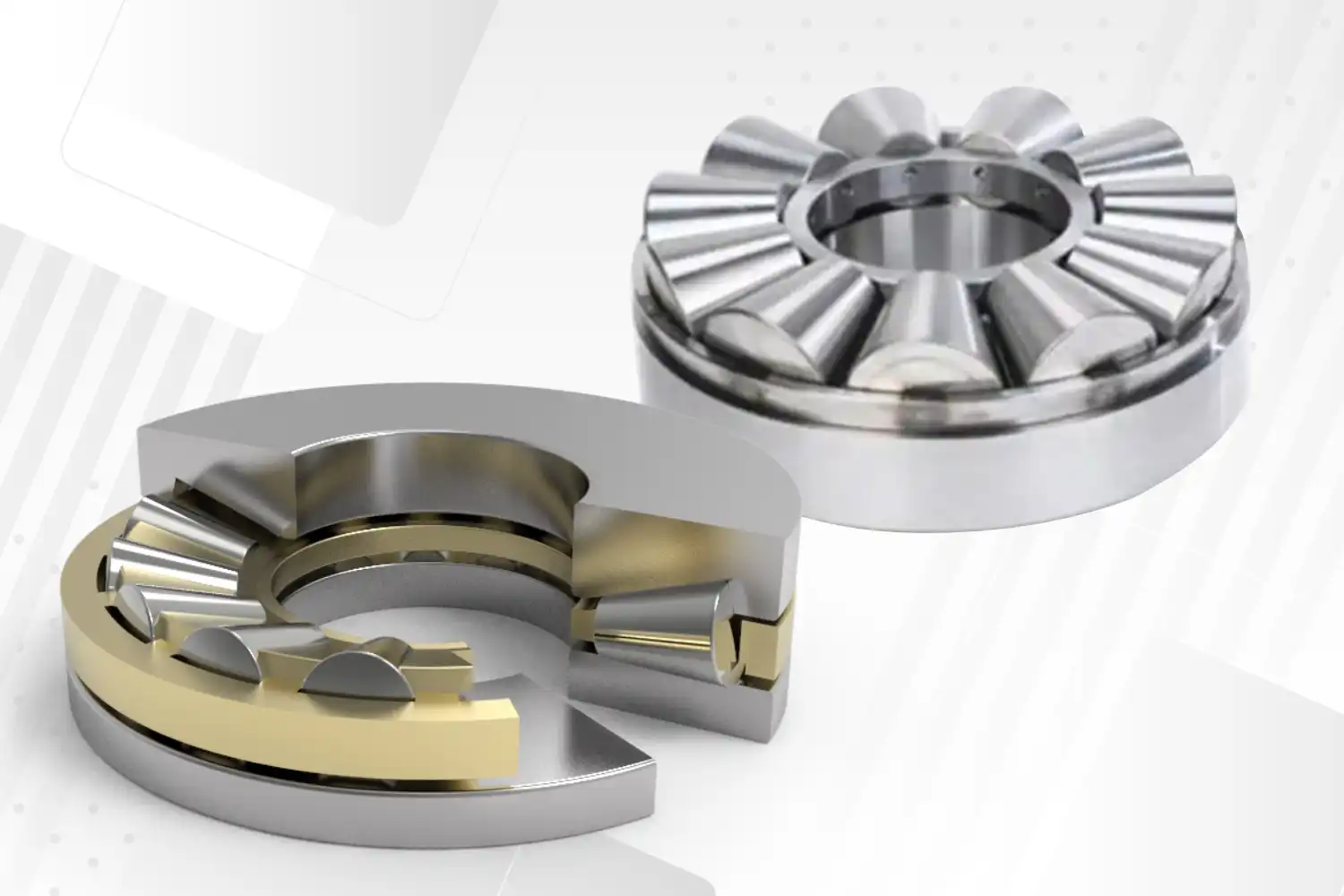
Understanding Tapered Roller Thrust Bearings
Tapered roller thrust bearings represent a sophisticated engineering solution specifically designed to handle extreme axial loads through their distinctive geometric configuration. The fundamental design incorporates tapered rolling elements arranged at precise angles, creating a convergence point that optimizes load distribution and minimizes friction during operation.
Design Architecture and Core Components
These bearings are different from other types of bearings because of a few important design factors in their structure. All four roller axes meet at a single place along the centerline of the bearing because of the tapered geometry. This allows for real rolling motion with very little sliding friction. When compared to cylindrical roller thrust options, this design produces a lot less heat while still carrying the most weight. Solid cages made of steel or brass provide strong roller guiding and spacing, making sure that the machine works the same way, no matter what the conditions are. The type of cage material chosen depends on the needs of the application. For example, steel cages are more durable in heavy-load situations, while brass cages are better at keeping the oil in for specific settings.
Operational Characteristics and Load Handling
These bearings work best when they are used to support axial loads. They are one-way axial bearings that keep the shaft from moving. The unique design makes it possible for it to hold more weight than cylindrical roller thrust bearings while still having less relative slippage and slower limiting speeds. Because of this, they are perfect for uses that need fine axial positioning while dealing with strong thrust forces. Bearings with inner diameters between 200 and 380 mm, outer diameters between 400 and 670 mm, and weights between 75 and 274 kg show that they are heavy-duty. Large industrial equipment that can't use regular bearings because of its heavy loads can be fitted with these substantial dimensions.
Load Capacity and Precision: Key Performance Factors
To fully grasp the load-carrying abilities of tapered roller thrust bearings, one has to look at a number of linked factors that establish their working limits and level of accuracy. The main performance measure is the axial load capacity, which is directly affected by the geometry of the bearing, the properties of the material, and how precisely it was manufactured.
Factors Influencing Load Capacity
A big part of figuring out the highest trusted tapered roller thrust load capacity is the contact angle between the tapered rollers and the raceways. Larger contact angles allow for higher axial loads, but they may limit the rotating speed that can be reached. Material strength, especially the grade of bearing steel used in building, has a direct effect on how well the bearing can handle high loads without deforming or breaking too soon. Precision in measurements affects both how loads are distributed and how smoothly operations run. Tight manufacturing tolerances make sure that all rolling parts share the load evenly. This stops stress concentrations that could cause early wear or catastrophic failure. The quality of the finish on the raceways and rollers' surfaces also affects how much friction there is and how well they work generally.
Precision Standards and Performance Metrics
Dimensional tolerances and geometric accuracy requirements for these bearings are set by international precise standards, such as the ISO and ABMA classifications. Higher precision classes give less noise, vibration, and better operational stability, which is especially important for sensitive equipment. Leading manufacturers use a precise manufacturing method that makes sure that quality and performance are always the same. Coordinate measuring machines and roundness meters are two examples of advanced measurement tools that are used to check the accuracy of dimensions throughout the production process. These quality control steps make sure that every bearing meets the strict requirements for use in industry settings.
Selection Guide: How to Choose the Right Tapered Roller Thrust Bearing
Selecting the optimal tapered roller thrust bearing requires a comprehensive analysis of operational requirements, environmental conditions, and performance expectations. The selection process begins with a thorough evaluation of load characteristics, including magnitude, direction, and dynamic variations during operation.
Critical Selection Parameters
Load analysis, which looks at both steady and moving loads, is the basis for choosing the right bearings. Peak loads, continuous working loads, and any shock or impact forces that may happen during service are all things that engineers have to think about. The basic load rating of the bearing helps you compare your choices and make sure you have enough safety margins. Because tapered roller thrust bearings usually work at slower speeds than ball bearings, operating speed limits need to be carefully thought through. The relationship between load and speed causes thermal issues that affect how much lubrication and cooling are needed. Extreme temperatures, levels of contamination, and exposure to wetness are some of the environmental factors that affect the choice of material and the sealing requirements.
Application-Specific Considerations
Different industrial uses have their own problems that affect the choice of bearing. For example, rolling mills need to be able to handle very heavy loads and shock loads, and precise machinery needs to be able to hold very close tolerances and have very little runout. For construction tools, durability and resistance to contamination are more important than speed. The mounting system and shaft support structure have a big effect on how well and how long the bearing lasts. Alignment and rigid mounting that are done right keep the edges from being loaded and make sure that the load is evenly spread across all rolling parts. Taking heat expansion and shaft deflection into account helps keep the bearings working properly across the whole range of the equipment's use.
Maintenance Tips and Lifespan Optimization
Proper maintenance practices significantly extend the operational life of tapered roller thrust bearings while maintaining their precision and reliability. A comprehensive maintenance trusted tapered roller thrust program addresses lubrication, inspection, and environmental protection to prevent premature failure and costly downtime.
Lubrication Management and Practices
Lubrication is the most important maintenance factor for the efficiency and longevity of bearings. Whether to use grease or oil for lubrication relies on the conditions of use, the speed needs, and the frequency of maintenance. For most industry uses, high-quality lithium-complex greases with extreme pressure additives work well. For high-speed or high-temperature tasks, circulating oil systems are better. As part of regular lubrication tracking, the amount, quality, and level of contamination are checked. The right amount of time between relubrications depends on how the machine is being used. Heavy-load situations need more frequent care. Oil analysis tools can find signs of early wear and contamination, which lets you do preventative maintenance before big problems happen.
Inspection and Monitoring Protocols
Using systematic inspection methods can help find small problems before they become big ones. Visual exams look for damage to the outside, broken seals, and leaking lubricant. Vibration tracking finds bearing problems before they get too bad by looking for patterns of frequencies that show certain types of failure. Temperature tracking lets you know right away if there are problems with lubrication or too much load. Unusual temperature rises often happen before bearings fail, which lets you fix the problem before it gets worse. To get the most out of maintenance resources, regular inspection plans should match how important the equipment is and how hard it is to operate.
Procurement and Logistics: Buying and Ordering
Strategic procurement of tapered roller thrust bearings involves multiple considerations beyond initial purchase price, including supplier reliability, technical support, and long-term availability. The procurement process requires careful evaluation of supplier capabilities, quality standards, and delivery performance to ensure successful project outcomes.
Supplier Evaluation and Selection
To find the right supplier, you need to look at their technical know-how, manufacturing skills, and quality control systems. Product reliability and performance are more likely to be guaranteed by well-known makers with a lot of experience in heavy-duty applications. Consistent manufacturing standards are shown by ISO certifications and quality control systems. When working with specialised applications or unique needs, technical help skills become very important. Suppliers who give engineering help, application analysis, and troubleshooting support go above and beyond what the bearing itself does. This method of technical partnership helps choose the best bearings and create applications for the best performance and dependability.
Custom Solutions and Engineering Support
For many industrial uses, custom bearing designs, trusted tapered roller thrust, or changes are needed to meet unique operational needs. Suppliers that have their own tech teams and can make things in a variety of ways can create custom solutions for specific uses. This ability to be customised is especially useful for big pieces of equipment where standard bearings might not work as well as they should. Leading makers like Huigong can make a lot of changes because they have decades of experience using heavy-duty bearings in different situations. Their tech teams work closely with customers to come up with solutions that meet specific needs for speed, load, and environment while still being cost-effective and meeting delivery dates.

Conclusion
In heavy-duty industrial settings that need high axial load capacity and precise performance, tapered roller thrust bearings are important parts. Their special features, like tapered geometry and solid cage construction, make it possible for them to handle more weight than other types of bearings while still being reliable under tough circumstances. When engineers and procurement workers know the main factors that affect load capacity, precision needs, and selection criteria, they can make smart choices that improve equipment performance and lower the total cost of ownership. For long-term success in critical applications where bearing failure is not an option, proper maintenance procedures and strategic relationships with suppliers are necessary.
FAQ
1. What determines the load capacity of tapered roller thrust bearings?
Load capacity depends on several interconnected factors, including the contact angle between rollers and raceways, bearing size, material properties, and manufacturing precision. The tapered geometry creates optimal load distribution, while high-grade bearing steel provides the strength necessary for extreme load conditions. Proper installation and alignment also significantly influence actual load capacity in service.
2. How do environmental conditions affect bearing performance?
Environmental factors such as temperature, contamination, and moisture significantly impact bearing performance and longevity. High temperatures affect lubrication properties and material strength, while contamination can cause abrasive wear. Proper sealing and lubrication selection help mitigate environmental challenges and maintain optimal performance.
3. What maintenance intervals are recommended for heavy-duty applications?
Maintenance intervals vary based on operating severity, environmental conditions, and equipment criticality. Heavy-duty applications typically require monthly visual inspections and quarterly detailed assessments. Lubrication intervals may range from 500 to 2000 operating hours, depending on conditions, with contaminated environments requiring more frequent attention.
Partner with Huigong for Premium Tapered Roller Thrust Solutions
Huigong stands as your trusted tapered roller thrust bearing manufacturer, delivering engineered solutions that exceed industry standards for heavy-duty applications. With over 25 years of specialized experience in rolling mill bearings and precision components, we understand the critical performance requirements of steel manufacturing, construction machinery, and precision equipment. Our comprehensive product line includes bearings with inner diameters from 200 to 380mm and load capacities up to 274kg, supported by ISO9001 quality certification and advanced testing capabilities. Contact our engineering team at sale@chg-bearing.com to discuss your specific requirements and discover how our custom bearing solutions can optimize your equipment performance and operational reliability.
References
1. Harris, Tedric A. and Kotzalas, Michael N. "Essential Concepts of Bearing Technology: Rolling Bearing Analysis." CRC Press, 2006.
2. Eschmann, Paul, Hasbargen, Ludwig, and Weigand, Karl. "Ball and Roller Bearings: Theory, Design and Application." John Wiley & Sons, 1985.
3. Palmgren, Arvid. "Ball and Roller Bearing Engineering." SKF Industries Inc., 1959.
4. Hamrock, Bernard J. and Dowson, Duncan. "Ball Bearing Lubrication: The Elastohydrodynamics of Elliptical Contacts." John Wiley & Sons, 1981.
5. Tallian, Tibor E. "Failure Atlas for Hertz Contact Machine Elements." ASME Press, 1999.
6. ISO 492:2014. "Rolling bearings - Radial bearings - Geometrical product specifications (GPS) and tolerance values." International Organization for Standardization, 2014.